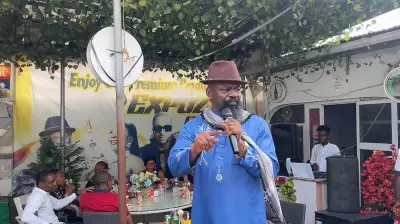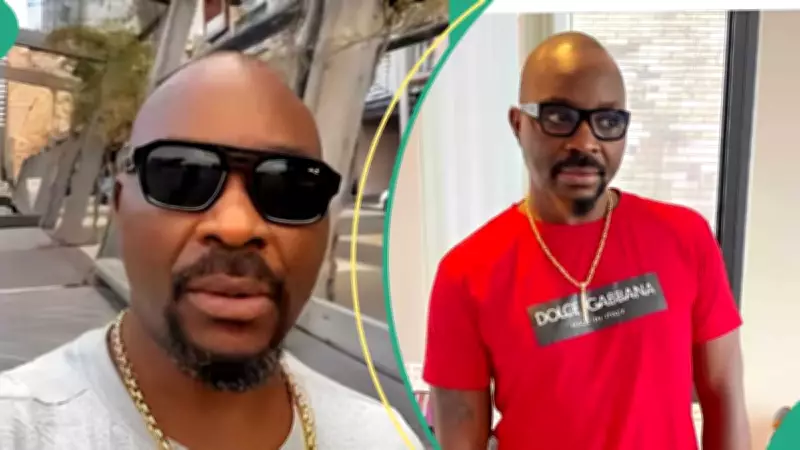
Social media personality Isaac Fayose has ignited a firestorm of controversy and condemnation following the circulation of a video containing highly inflammatory remarks about Nigeria's Igbo ethnic group. The video, which spread rapidly across multiple online platforms, features Fayose making sweeping generalizations about Igbo political loyalty and character, prompting widespread calls for responsible discourse from public figures.
Controversial Statements on Ethnic Loyalty
In the viral footage, Fayose explicitly expressed gratitude for not belonging to the Igbo tribe, proceeding to make damaging claims about their susceptibility to financial and political influence. He stated with conviction: "Thank God I'm not Igbo by tribe. That tribe is so easy to buy with money; just hold money and power, and they will follow you like a puppy dog." These comments have been characterized by many observers as not merely offensive but potentially dangerous in Nigeria's ethnically diverse landscape.
Connection to Nnamdi Kanu's Incarceration
Fayose's remarks emerged during a discussion about the ongoing legal situation surrounding Nnamdi Kanu, the incarcerated leader of the Indigenous People of Biafra (IPOB) movement. The social media personality alleged that Kanu has been effectively abandoned by his own kinsmen following his life sentence, suggesting this purported silence validated his broader criticism of Igbo political behavior. This connection between Kanu's case and ethnic generalizations has particularly troubled commentators who emphasize the complexity of separatist politics in southeastern Nigeria.

Widespread Public Condemnation
The response from Nigerians across social media platforms has been overwhelmingly critical, with many users describing Fayose's statements as divisive, unnecessary, and potentially harmful to national cohesion. On platforms including X, Facebook, and Instagram, numerous commentators highlighted the dangers of ethnic stereotyping in a nation already navigating significant political and social tensions.
Social Media Reactions and Analysis
Various perspectives emerged in the digital discourse surrounding the controversy. One user, @GabbyyTeee27, suggested a more nuanced interpretation: "Many will think he is mocking the Igbos but it is the leaders in Igbo land that he is indirectly talking to including the billionaires." Another commentator, @Chukwuemeka_Neb, challenged Fayose's premise directly: "Igbos only have respect for equity and fairness, not money or any hierarchy or positions. Get your facts right, is your people that have respect for names and money."
Some discussions focused specifically on the Nnamdi Kanu dimension of the controversy. @bigger_stan reflected: "Everything MNK has been saying is coming to pass now. But during the sentencing, I expected more from my Igbo brothers but everywhere was silent. I'm asking if MNK regrets?" Meanwhile, @Bigsweech offered a more complex analysis: "But the truth is Nnamdi was fighting for complete division and not all the Igbos is fighting for division. And some people sees him as a dictator leader. But I still believe Igbo people no try at all. Maybe that's y they took down his parents at first."
Broader Context and Previous Controversies
This incident represents another chapter in Isaac Fayose's history of provocative public statements. Previously, the businessman had drawn attention for comments about cross-dressing celebrity Bobrisky's legal situation, suggesting a pattern of engaging with controversial topics. The current controversy has amplified concerns about the role of social media personalities in either exacerbating or mitigating Nigeria's ethnic tensions.
Implications for Public Discourse
The strong negative reaction to Fayose's comments reflects growing public sensitivity to language that might inflame ethnic divisions. Many respondents emphasized the responsibility of individuals with substantial online followings to promote unity rather than stereotypes. The incident has sparked broader conversations about ethnic relations, political loyalty, and the boundaries of acceptable public commentary in Nigeria's vibrant but sometimes fractious digital sphere.

As the video continues to circulate and generate discussion, the fundamental question remains how Nigeria's diverse population can navigate differences while maintaining respectful dialogue. The widespread condemnation of Fayose's remarks suggests many Nigerians reject simplistic ethnic characterizations in favor of more nuanced understandings of the country's complex social fabric.