British Rapper Tinie Tempah Attributes Creative Genius to Igbo Ancestry
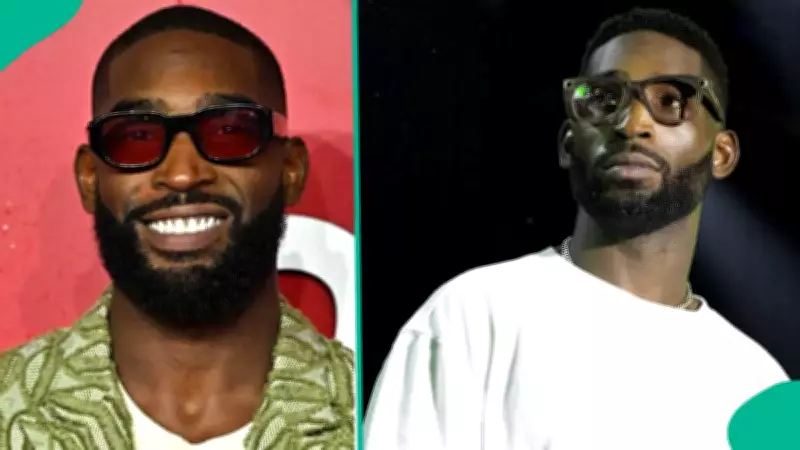
In a recent interview that has resonated deeply with the global Igbo community, British rapper and singer Tinie Tempah openly declared his roots and credited his remarkable creativity to his ancestral heritage. The award-winning musician revealed that he belongs to the Igbo tribe, sparking a wave of cultural pride and validation among members of this vibrant ethnic group.
A Connection to Literary Legends
Tinie Tempah explained that he draws his creative energy from the same lineage that produced literary giants such as Chinua Achebe and Chimamanda Ngozi Adichie. By referencing these iconic authors, the rapper highlighted the tribe's profound impact on global literature and storytelling. He argued that the Igbo people possess a unique, worldwide excellence that spans diverse fields from arts to innovation.
For many Igbo individuals, Tempah's statement felt like a long-overdue acknowledgment of what they have always believed: that the Igbo spirit is inherently inventive, resilient, and expressive. His words transcended music, touching on a longstanding tradition of creativity that runs through their rich history.

Social Media Reactions and Cultural Pride
Across various social media platforms, numerous Igbo users described the rapper's revelation as a significant moment of cultural affirmation. Some pointed out that the tribe has consistently produced outstanding talents across multiple domains including business, technology, and entertainment. This global recognition reinforces the idea that the South-Eastern spirit thrives regardless of geographical boundaries.
One user, @Greatfuljoseph, enthusiastically commented: "You are right, greatness and success and creativity and inventions run in our DNA. We are next after God. We are gods on our own because we can pull the impossible." This sentiment reflects a broader sense of pride and self-belief within the community.
Debates and Discussions
However, not all reactions were uniformly celebratory. Some social media users raised questions about the implications of such tribal narratives. For instance, @AndyBestH_NGR noted: "These narratives are problematic; there is nothing intrinsic about any tribe or race that makes them exceptional at anything non-physical." Similarly, @gbengadewoyin stated: "The superhuman claim. No different from the tribal effect of a religion and that is why I debunk supernatural claims."
These contrasting viewpoints highlight an ongoing dialogue about identity, talent, and cultural attribution in contemporary society. The discussion extends beyond Tempah's personal story to broader questions about how heritage influences individual and collective achievements.
Context of Nigerian Diaspora Artists
Tinie Tempah's interview follows a trend of Nigerian-British artists openly embracing their roots. Recently, fellow rapper Skepta faced mixed reactions for speaking Igbo on social media, illustrating the complex dynamics of cultural expression in the diaspora. Such instances underscore the evolving relationship between heritage and modern celebrity in a globalized world.
Ultimately, Tinie Tempah's candid reflections have ignited meaningful conversations about ancestry, creativity, and pride. By linking his artistic prowess to the legacy of Igbo luminaries, he has not only honored his heritage but also inspired a renewed appreciation for the tribe's contributions to global culture.