For many on a natural hair journey, the term "protective style" can feel like a misleading promise. A style that looks flawless on day one can sometimes lead to damaged edges, dryness, and breakage by the time it's taken down. In 2026, the conversation has matured, shifting towards truly intentional styling that prioritises hair health alongside aesthetics.
What Makes a Hairstyle Truly Protective?
A genuine protective hairstyle does more than just look good. It serves a functional purpose: reducing daily manipulation, keeping fragile ends tucked away, and minimising stress on the scalp and hairline. The goal is to aid in length retention, shield hair from environmental friction, and simplify your routine without causing tension-related hair loss. The trending philosophy for 2026 is clear: choose styles that work with your hair, not against it.
Top 8 Protective Styles for 2026
Here are eight trendy, cute, and genuinely low-tension hairstyles that are winning over naturalistas this year.

1. The Faux Hawk
This style continues to be a favourite for its bold yet wearable appeal. Instead of shaving, hair is slicked, braided, or twisted towards the centre of the head to create a mohawk-like silhouette. It's protective because it secures your ends and reduces handling, offering a dramatic break from standard updos.
2. Flat Twists
An underrated and gentle option, flat twists are created by twisting two sections flat against the scalp, similar to but softer than cornrows. They are versatile, beginner-friendly, and suitable for all hair lengths. As a bonus, taking them down rewards you with a beautiful twist-out, effectively giving you two styles in one.
3. The Tapered Cut
While not a traditional protective style, the tapered cut is a major 2026 trend for minimising daily manipulation. With shorter sides and back and a longer top, it promotes health by removing damaged ends. Styling is quick, and you can showcase your texture with finger coils, twist-outs, or a soft afro.
4. Undercut Cornrows
This style offers a sleek, dramatic look without the commitment of shaving. The sides are braided in neat, narrow cornrows while the top remains full and can be styled freely. It protects by securing most of your hair, reducing tangling and breakage, and works for various hair types and lengths.
5. Bantu Knots
Timeless Bantu knots are back in full force. These small, coiled buns are made by twisting and wrapping sections of hair. They are incredibly flexible—you can create them with your natural hair, extensions, or even locs. They excel at protecting ends and, when undone, provide a stunning, defined curl pattern.
6. The High Puff
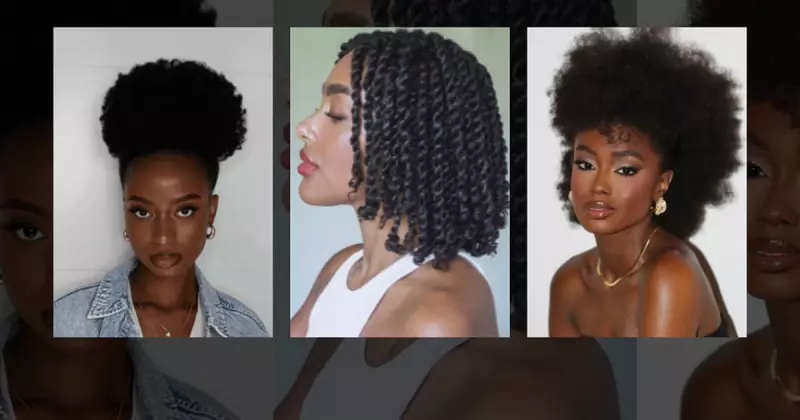
A natural hair classic, the high puff is both simple and stylish. Hair is gathered into a puff at the crown with sleek edges. It's a low-manipulation style that keeps ends tucked in and works with various textures. It can be easily dressed up with accessories and is ideal for medium to long hair.
7. Senegalese Twists
A perennial classic, Senegalese twists are prized for being lightweight, elegant, and low-maintenance. Created with extensions twisted from root to tip, they shield your natural hair from heat, friction, and over-styling for weeks. They offer great styling versatility, from buns to ponytails.
8. Natural Hair Twists
Two-strand twists using your own hair are a foundational protective style. They are gentle on the scalp, don't require high tension, and help retain length by shielding the ends. Upon unraveling, they leave you with a soft, bouncy twist-out, making them a practical and timeless choice.
The Bottom Line for Healthy Hair
The core principle of protective styling in 2026 is intentionality. The best styles allow your scalp to breathe, safeguard your ends, and let you express your personal style without compromise. Ultimately, the real goal is healthy hair, and choosing a hairstyle should be a step toward that, not a setback. Whether you opt for bold undercut cornrows or simple natural twists, ensure your choice truly protects your crown.