Fashion has a cyclical nature, but each return is more pronounced. In 2025, the spotlight was firmly on the bust, with structured corsets and lifted necklines dominating red carpets and magazine covers. However, as we step into 2026, a deliberate and unapologetic shift is occurring. The fashion conversation is moving decidedly south, turning what was once considered accidental exposure into intentional design.
The Runway Revival: From McQueen's Bumster to Modern Confidence
The concept of highlighting the lower back is not novel. Its modern genesis can be traced to Alexander McQueen's spring 1995 collection, where he introduced the revolutionary 'bumster' trouser. Back then, it was a act of provocation, challenging societal norms about the body. Fast forward to spring 2026, and the bumster has been resurrected, not as rebellion but as a symbol of confidence.
In Seán McGirr's recent collection for McQueen, the low-back exposure was styled with deliberate, almost sculptural precision. Similarly, model Alex Consani on the runway demonstrated that the backside could be framed and emphasised with the same intentionality as cleavage has been for generations. The visual language was familiar, yet the placement marked a bold new frontier.

Celebrity Endorsement: Normalising the Rear Reveal on the Red Carpet
Red carpets serve as the ultimate testing ground for emerging trends. The journey of the butt-cheek reveal from suggestion to statement is clear in recent celebrity style.
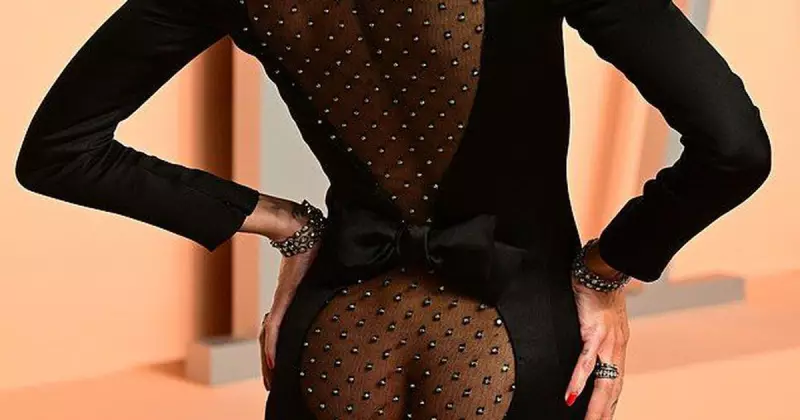
At the 2024 Met Gala, Kendall Jenner wore an archival Givenchy by McQueen gown featuring a subtly low-slung mesh panel—a whisper of the trend to come. By 2025, the suggestion had evolved into pure confidence. Zoë Kravitz attended the Vanity Fair Oscars party in a Saint Laurent dress with a sheer, rhinestone-studded back panel, owning the look with calm authority.
The trend reached a peak of nostalgic reference when Hailey Bieber appeared at the GQ Man of the Year Awards 2025 in a sheer beaded dress that evoked a modern, intentional take on the 'whale tail' moment of the early 2000s.
Why This Trend Signals a Deeper Shift in Fashion
This move from cleavage to crack represents more than just a change in hemlines or necklines. Cleavage has historically been about presentation, enhancement, and framing through structure like push-up bras. The butt-cheek reveal operates on a different principle: it's about exposure, vulnerability, and control.
It reflects a broader change in how fashion interacts with the body. The goal is shifting from merely attracting a gaze to asserting ownership and authorship. Showing skin is less about shock value and more about personal narrative. The backside, still capable of provoking discomfort in a way that breasts no longer do, presents a new frontier for designers to challenge notions of appropriateness and elegance.
With the resurgence of low-rise silhouettes, the prevalence of sheer fabrics, and the unironic revival of archival styles, all the elements are in place for 2026 to be declared the year of the intentional crack. This isn't about universal nudity; it's about a cultural recalibration of what is designed, styled, and owned. Fashion is once again changing not just what we wear, but what we are comfortable seeing—and the butt cheek is now firmly in the frame.