The Rise of Instant Play Gaming in Modern Digital Culture
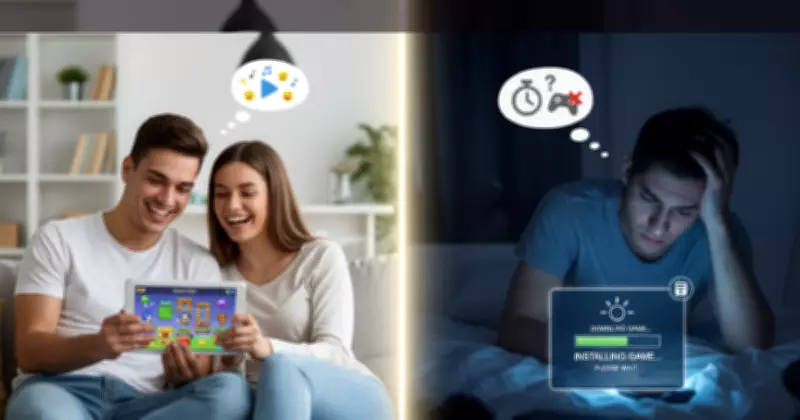
For countless individuals today, the initial decision to engage with a game has lost its sense of excitement and instead feels burdensome. When you encounter an intriguing game, tap on it, and are immediately prompted to download, wait for installation, and clear storage space on your device, that brief interruption often completely alters your mood. What started as simple curiosity quickly transforms into what feels like a chore, and in the majority of instances, that fleeting moment of interest passes, and the game is ultimately forgotten.
The Psychological Burden of Game Installation
Instant play games effectively bypass that disruptive pause. They enable users to enter a gaming experience in the same seamless manner they would start listening to a song, reading an article, or watching a short video clip. You simply click, and the game begins immediately, allowing you to decide afterward whether it was truly worth your time. This sequence is more significant than it might initially appear, because contemporary life already demands that people make an excessive number of decisions before they can genuinely enjoy anything.
Installing a traditional game requires commitment before any enjoyment can be experienced. You are expected to allocate valuable storage space on your smartphone and dedicate attention during your day without knowing whether the game will actually suit your current mood or preferences. This unspoken expectation creates psychological pressure, even when it is not explicitly stated. Once a game is installed on your device, it subtly encourages you to return regularly, make progress, and justify why it continues to deserve a permanent spot on your phone.

Instant play gaming completely removes that underlying pressure. You can enjoy a few minutes of gameplay and then exit without feeling that you have abandoned an unfinished task. Gaming becomes lighter, more honest, and better integrated into real life as it exists, rather than demanding that life be organized around the game itself.
How Modern Gaming Habits Have Evolved
Most people today do not allocate dedicated, scheduled time specifically for playing games. Instead, they engage in gaming during small gaps between other daily activities—while waiting in line, during brief work breaks, or late at night when they desire something simple rather than demanding. In these spontaneous moments, instant play fits naturally because it does not require preparation, recollection of previous progress, or commitment beyond the immediate session.
Gaming transforms into an activity that fills idle time rather than something that needs careful planning. As play migrates into these unplanned moments, the types of games that work most effectively also undergo change. Experiences built around long-term progression systems or intense individual focus become less suitable, while games designed for immediate interaction and accessibility start to feel more relevant and engaging.
The Social Dimension of Instant Play Gaming
This shift becomes even more pronounced when gaming turns social, shared between two individuals who are physically together and decide to play on impulse rather than through deliberate intention. This is precisely where games designed around shared input rather than individual progression truly excel.
Games like the popular Fireboy and Watergirl series succeed because the gameplay only functions when two players coordinate their actions in real time. One player controls Fireboy, while the other controls Watergirl, and both must move simultaneously, pause together, and collaboratively solve puzzles. There is no grinding for experience points, no long-term progression system, and no inherent advantage to returning to the game later. The entire value of the game exists within a single shared gaming session.

Because of this fundamental design philosophy, instant-play capability is not merely convenient for such games—it is absolutely essential. These games are frequently played spontaneously by siblings, friends, or classmates who sit down together and begin playing immediately. Requiring those players to download a separate application, wait for installation to complete, or manage periodic updates would introduce unnecessary friction at the exact moment when the experience should feel effortless and intuitive.
The Emotional Weight of Installed Games
There exists an emotional burden associated with installed games that people rarely discuss openly. Once a game resides on your smartphone, deleting it too quickly can evoke a subtle sense of failure, not necessarily because the game was poor quality, but because you never devoted sufficient time to it. The game's icon becomes a constant visual reminder of an intention you never fully realized.
Instant play experiences do not carry that psychological weight. When you close the game window, the experience concludes completely. Nothing remains behind asking for your attention, and nothing quietly pressures you to return. That clean, definitive ending makes the play session feel complete rather than merely interrupted.
Where Instant Play Gaming Already Thrives
This gaming style is already prominently visible on browser-based platforms where games launch instantly and disappear just as easily when you finish playing. Platforms like Y8 operate effectively in this space by treating gaming as temporary and entirely optional—not as something that requires ongoing management or maintenance over extended periods.
None of this analysis suggests that installed games are unnecessary or obsolete. Many exceptional games are specifically designed for long sessions, deep progression systems, and immersive experiences, and traditional installations make perfect sense for those types of games. The core issue is not installations themselves, but rather the widespread assumption that every gaming moment should demand that same level of commitment.
Sometimes people genuinely desire depth and prolonged engagement. Other times, they simply want five minutes of shared distraction with a friend. Instant play gaming respectfully acknowledges and accommodates that fundamental difference.
Why This Gaming Shift Matters Significantly
This is precisely why instant play experiences often feel superior to traditional installations. Not because they are technologically more advanced or visually more impressive, but because they genuinely respect the player's time, current mood, and available attention span. They allow enjoyment to occur first, with decisions about continued engagement coming afterward.
In a digital landscape where nearly every application asks you to stay longer, create an account, or make some form of commitment, instant play feels refreshingly different because it permits you to leave without obligation. For many people in today's fast-paced world, that simple freedom is exactly what makes gaming enjoyable once again.