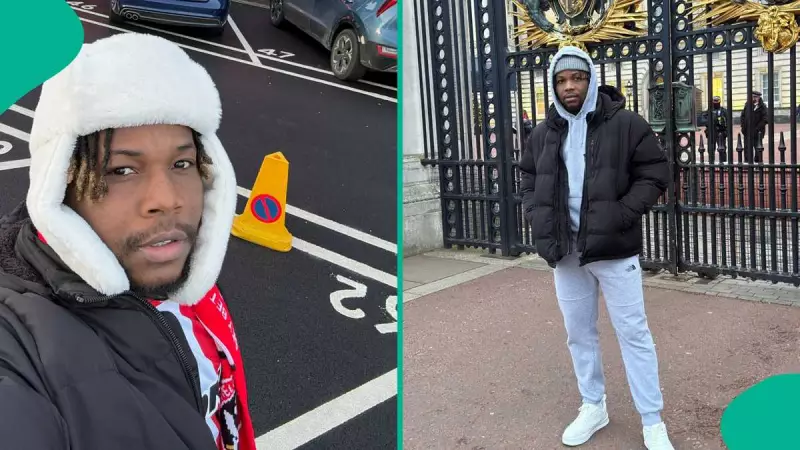
A Nigerian man living abroad has stirred significant conversation online after recounting a deeply emotional experience from a recent date with his White female friend. The incident, which he shared on the social media platform X (formerly Twitter), highlights a cultural contrast in dating expectations that resonated with many.
The Emotional Dinner Date
The man, who uses the X handle @tobyasky, detailed that he took his White friend out for dinner and handled the bill for their meal. However, what happened next left him profoundly moved. His date immediately requested his bank account details so she could transfer her portion of the dinner cost to him. This act of insisting on sharing the expense was so unexpected and meaningful to him that it brought tears to his eyes.
In his post, written in a mix of English and Nigerian Pidgin, he expressed his feelings: "I carry my oyinbo friend comot, pay for the dinner, she dey ask for my account number to send her cut. Tears full my eyes." He further revealed that this was not an isolated incident but a consistent pattern in his interactions with White women over a significant period.

A Five-Year Pattern of Mutual Respect
The man stated that for about five years, his dating experiences with White ladies have been characterised by this gesture of financial reciprocity. He emphasised that they consistently refuse to let him pay for everything, creating a dynamic of shared responsibility. "E don dey happen to me for like 5years now. Dem no go gree make you pay for them," he wrote, underscoring the normalcy of this practice in his cross-cultural dating life.
This simple yet powerful act of asking to pay her share sparked a wider debate about dating norms, particularly contrasting these experiences with common expectations in some Nigerian dating scenes, where the man is often traditionally expected to cover all costs.
Social Media Erupts with Reactions
The man's tweet quickly went viral, attracting a flood of comments from netizens sharing their perspectives and similar stories. The reactions painted a picture of a divided opinion on dating etiquette and cultural values.
User @AAAlhaji21 acknowledged the gesture but offered a counterpoint, linking it to broader Western social trends like high divorce rates and shifting family dynamics. He cautioned against blindly normalising such practices in Nigeria without considering the cultural context.
Others, like @OLUWA_BUKUNMIJR, lamented that this "version of friendship" seems rare with Nigerian women, implying a nostalgia for more equitable arrangements. @TWEETORACLE starkly contrasted the practices, stating that asking a Nigerian woman to pay her share on a date could often mean "the END of the relationship."
The discussion also included shared experiences with other nationalities. User @Nixonbeckz12 recounted a similar story with an Indian friend who not only insisted on paying her share for a meal costing £37 but also offered to cover his transport fare afterward.
However, some users injected humour and caution. @afilmhead joked that if the women eventually agreed to be paid for, they might repeatedly ask, "if you are sure up to 700 times," poking fun at potential over-politeness.
This viral story, published on January 17, 2026, by award-winning journalist Victor Duru, taps into ongoing conversations about gender roles, financial independence, and the cross-pollination of cultural norms within the Nigerian diaspora community. It follows previous reports by Legit.ng on similar themes, including a story of a Nigerian man in the UK who was taken out on dates by a White lady.