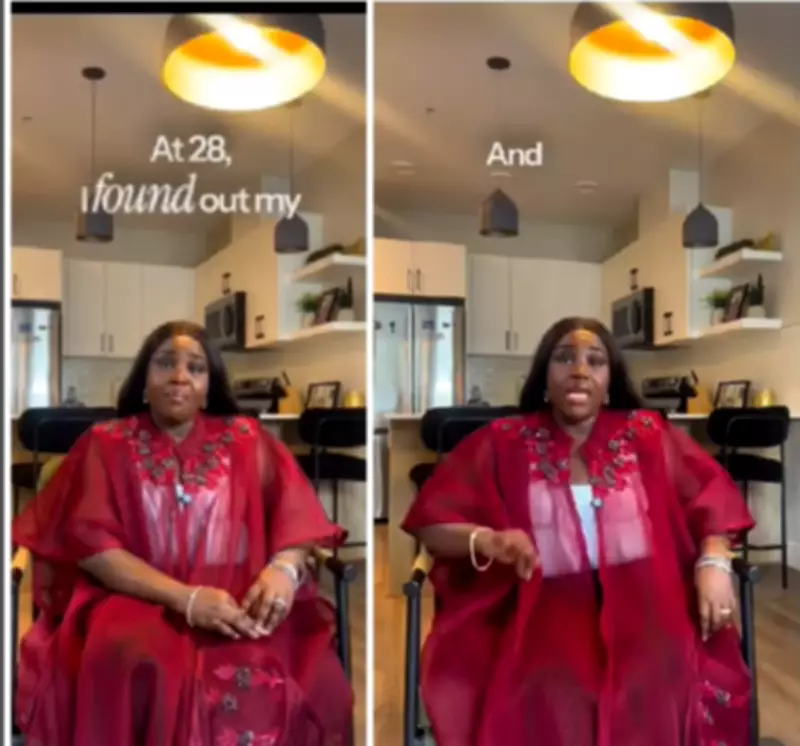
Woman Reveals Painful Secret of Infertility in Marriage at Age 28
A woman has come forward to share a deeply emotional and personal account of her marital struggles, revealing that she discovered early in her marriage that she would never be able to have children. According to her story, this life-altering realization occurred when she was just 28 years old, and it centered on her husband's diagnosis of impotence.
The Burden of Silence and Family Pressure
Despite receiving this devastating diagnosis, the woman made the difficult decision to keep it a secret from her family and loved ones. She explained that whenever her mother inquired about why she had not conceived a child, she would respond with the phrase, "God's time is the best," never disclosing the painful truth. This silence persisted for years, and tragically, her mother eventually passed away without ever learning the real reason behind her daughter's childlessness.
While she maintained her quiet endurance, the woman claimed that her mother-in-law made her life increasingly difficult. Her mother-in-law insisted that there was nothing wrong with her son and placed all the blame for the lack of children squarely on the woman's shoulders. For years, she endured these harsh accusations and the emotional turmoil that accompanied them, feeling isolated and misunderstood in her own marriage.

A Breaking Point and Continued Struggle
However, the pressure eventually became too much to bear. One day, the woman broke down and confronted her mother-in-law about the situation. Instead of receiving the understanding or support she had hoped for, she was labeled a bad wife for speaking up and challenging the narrative. This confrontation only added to her pain, highlighting the deep-seated stigma and lack of empathy surrounding issues of infertility and impotence within some family dynamics.
Now, at almost 46 years old, the woman says she no longer aches for children. This is not because she never wanted them, but because, as she poignantly explained, the simple right to decide whether she wanted children or not was taken from her. Her story sheds light on the complex emotional and social challenges faced by individuals dealing with infertility, particularly when compounded by family conflicts and societal expectations.
This account serves as a powerful reminder of the importance of compassion and open communication in relationships, as well as the need to address the often-taboo topics of reproductive health and family planning. It underscores how such personal struggles can lead to years of silent suffering when met with misunderstanding and blame.