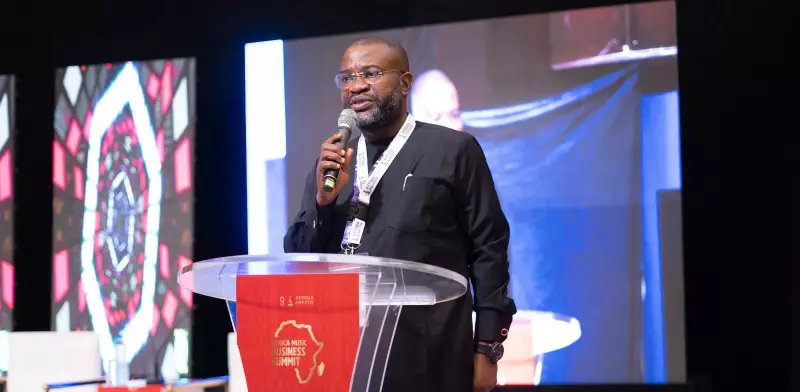
Key players in Africa's vibrant music scene have outlined a clear roadmap for sustainable growth, placing policy reform, technological innovation, and stronger continental unity at the forefront. This consensus emerged from the 9th All Africa Music Awards (AFRIMA) Africa Music Business Summit (AMBS), held in Lagos on Thursday, January 8, 2026.
Building the Business Behind the Beats
The summit, themed “Connect, Build, Own: Monetising Africa’s Music Revolution,” gathered artists, diplomats, policymakers, and executives. AFRIMA President, Mike Dada, set the tone by emphasising that the industry must shift focus from just creating hits to building robust business structures. “African music is not only about the songs and vibes but about building the business aspect of the industry,” Dada stated. He explained that the AMBS was designed to bridge the gap between creatives and the sector's decision-makers.
Angela Martins, Head of Culture at the African Union Commission, reinforced music's economic value, describing it as a “powerful engine for development, job creation and social cohesion.” She pledged the AU's commitment to policies that strengthen intellectual property rights and ensure fair pay for creators across the value chain.

Funding, Platforms, and Homegrown Solutions
A major discussion point was financing and infrastructure. Mark Smithson, Country Director for the UK's Department for Business and Trade in Lagos, urged Africa to look inward, citing a report that reveals about $1.1 trillion in institutional capital is available on the continent through pension and sovereign wealth funds. “African problems need to be solved by African solutions, with the support of the international community,” he noted.
Echoing this, media professional Lucy Iladoh warned against blindly copying foreign models, using Nollywood's success as an example of a locally-tailored formula. She passionately advocated for an African streaming platform that prioritises local content and ensures artists are paid fairly, urging governments to build enabling structures rather than offer handouts.
Technology as a Creative Catalyst
The role of technology was highlighted as transformative. Congolese artist Innos’B shared his direct experience with artificial intelligence, revealing he was part of a project where an entire music video was created with AI. “The connection with the audience was massive,” he said, advocating for its embrace. “To me, AI is the next big thing... It is something we should use.”
On collaboration, Ivorian star Didi B called for breaking language barriers, stressing that unity within Africa is the first step to global dominance. He pointed out that partnerships between Anglophone and Francophone artists remain limited and need to be more intentional.
The Lagos State Government reiterated its backing, with Commissioner for Tourism, Arts and Culture, Toke Benson-Awoyinka, disclosing an investment of N8.4 billion in creative industries in 2025. She described Lagos as Africa's cultural capital and promised continued support for training and global competitiveness.
The summit concluded with veteran producers like ID Cabasa and Olisa Adibua advising artists to treat music as a serious profession, commit to continuous learning, and maintain their originality without fear of failure.