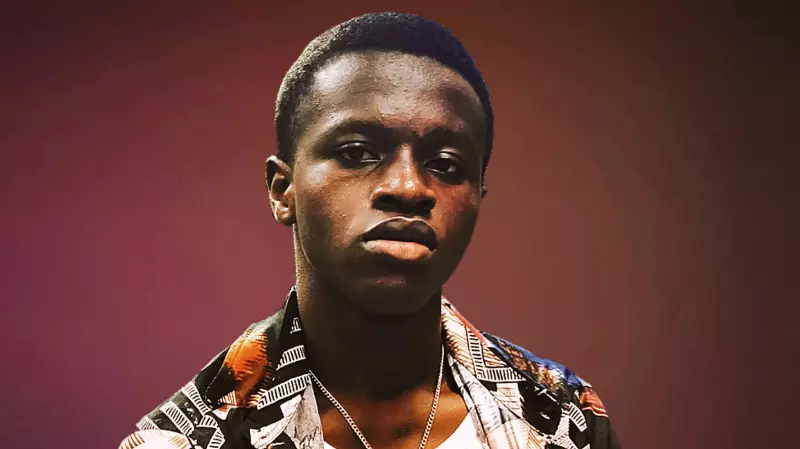
In a music industry dominated by the chase for viral singles and social media metrics, a Lagos-based company is taking a fundamentally different path. The Nnamani Music Group (NMG), founded in 2023 by siblings Johnel Nnamani and Nnamani Grace Odi, is investing in the unglamorous backbone of the business: infrastructure. This move represents a strategic bet on long-term sustainability over short-term hype for African independent artists.
The Infrastructure Gap in Africa's Music Boom
NMG emerged during a period of contraction for Africa's independent music sector. While global giants were acquiring catalog rights across West Africa, many local entities struggled with the technical complexities of a streaming-driven economy. A generation of talented artists found themselves in systems that failed to protect their rights, track earnings accurately, or support growth beyond their borders.
The company identified a critical problem: the main barrier for artists was no longer visibility, but the ability to capture financial value from that visibility. Their solution was to bypass the industry's traditional obsession with talent scouting and instead focus on the bureaucratic essentials—rights administration, royalty collection, and cross-border distribution logistics.

A Service Model vs. The Traditional 360 Deal
NMG's operational philosophy marks a clear departure from the '360 deal' model common among local labels, where labels claim a share of nearly all an artist's revenue streams. Instead, NMG adopted a service-based partnership. The company creates a firewall between creative ownership and administrative management.
Under this model, artists retain ownership of their master recordings. NMG handles the complex backend work: ensuring accurate metadata, managing publishing registrations, and navigating the accounting needed to monetize music globally. This approach directly tackles the "royalty leakage" that plagues many African creators, where earnings are lost due to poor data, misregistration, or weak local collection societies.
"Cross-border royalty leakage has long plagued African creatives," stated Johnel Nnamani. "Our approach addresses this head-on with administrative rigour and strategic partnerships to improve reporting accuracy and revenue recovery."
Strategic Expansion and Economic Hedging
By late 2024, NMG began looking beyond Nigeria to hedge against local economic volatility. This strategy solidified in October 2025 with the appointment of Trinisha Browne as Head of Artistes and Repertoire. Browne, a Trinidadian-Canadian executive based in Montreal, is tasked with leading the company's expansion into North American and Caribbean markets.
This move is more than cultural bridge-building; it's a financial necessity. Facing Nigeria's volatile inflation and a weakening Naira, the cost of production—often dollar-indexed—has skyrocketed. By generating royalties in US and Canadian dollars from listeners in cities like Toronto and New York, NMG creates a currency hedge. This foreign revenue subsidizes domestic operations in Lagos, allowing Nigerian artists on their roster to maintain production standards that purely local competitors cannot afford.
Browne's mandate includes integrating Caribbean talent into NMG's network, creating a two-way corridor for independent music and placing the company in direct competition with larger distributors in key North American hubs.
Challenges and the Road Ahead
The model is not without its challenges. Reliance on third-party digital aggregators, while reducing overhead, ties NMG's operations to partners' technical roadmaps. Furthermore, the company's releases compete in a saturated global market where over 100,000 songs are uploaded daily to streaming platforms.
This saturation has fueled the rise of illicit "streaming farms" in Lagos and elsewhere, which use bots to artificially inflate play counts—a problem highlighted in recent World Intellectual Property Organisation (WIPO) reports. These farms distort the market, making organic growth difficult to measure.
Critics also note that NMG's model, while offering artists greater control, transfers more financial risk to the creators, who often must fund their own production and marketing without large label advances.

Internally, NMG's structure reinforces its philosophy. Johnel Nnamani leads creative direction, while co-founder Grace Odi manages operations and finance. Her leadership in implementing robust financial oversight and legal compliance has drawn recognition from industry bodies like The Recording Academy.
As global interest in African music surges, the conversation is evolving from visibility to commercial viability. Nnamani Music Group's infrastructure-first approach provides a compelling blueprint for this next phase—an ecosystem where African creatives are not just heard worldwide but are structurally empowered to build lasting, profitable careers.