Nigerian Couple's Introduction Ceremony Goes Viral on TikTok
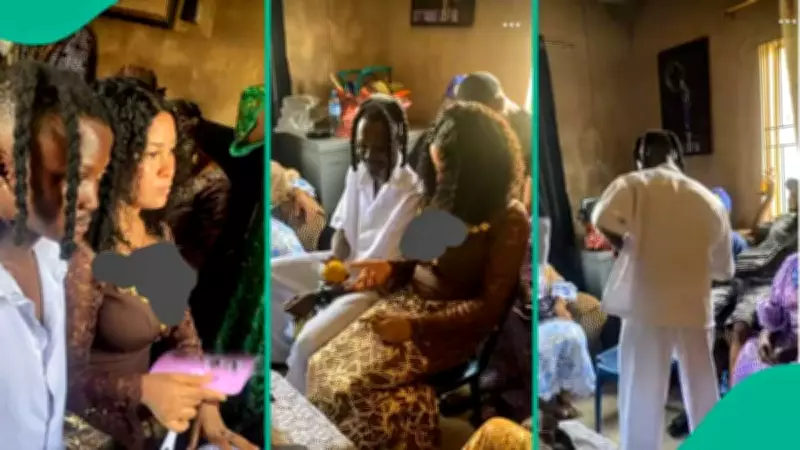
A heartwarming moment of cultural celebration has captured the attention of social media users across Nigeria and beyond. A Nigerian man, identified as @big_jela on TikTok, has gone viral after sharing a video of his introduction ceremony with his partner, sparking widespread discussion about modern relationships and traditional family values.
The Joyous Celebration That Captured Hearts
In the viral video, the couple stands proudly surrounded by family members and kinsmen from both sides, marking what they described as "the first step to forever." The atmosphere radiates with joy and fulfilment as they embark on this significant milestone in their relationship journey. The man's caption expressed both excitement and admiration for his partner, writing: "First step to forever. I introduced LOML. And my babe fine o."
The video showcases a beautiful blend of traditional Nigerian introduction ceremonies with contemporary relationship expressions, creating a visual narrative that resonates with many young Nigerians navigating similar cultural experiences.

Social Media Reactions: A Spectrum of Opinions
The viral video has generated a flood of congratulatory messages alongside thought-provoking discussions about appearance, family acceptance, and modern relationship dynamics in Nigerian society.
Supportive voices celebrated the couple's happiness, with one user commenting: "Congratulations sis your joy is permanent in Jesus name." Another added: "I can marry someone with dreadlocks. I do not see anything wrong in this video."
Observational comments noted the changing dynamics in family acceptance, with @F O remarking: "For your parent to accept a man with Dread and probably with tattoo. They're not worried, their own is for you to marry and happy with your marriage."
Practical perspectives emerged as well, with @Tọ̀mọ́rí stating: "Just get money nothings else see how e carry dread go Inlaw some rules are meant for the poor God bless the home."
The discussion expanded to include partners who actively support unconventional appearances, as @️Lollyscent osogbo shared: "Una dey mad for this cs nah me carry my man go pierce and still advice him to do all the tat he has my own red flag is a guy that doesn't have tattoo."
Broader Context of Nigerian Wedding Celebrations
This viral moment comes amidst growing conversations about wedding economics and creativity in Nigeria. Recently, another Nigerian couple demonstrated remarkable resourcefulness by planning and hosting their entire wedding for just N1.2 million within one month. The bride personally designed all her wedding outfits, including the gown, veil, and traditional attire, showcasing how Nigerian couples are finding innovative ways to celebrate their unions while managing costs effectively.
The contrast between these stories highlights the diverse approaches Nigerian couples are taking to celebrate their love within cultural frameworks while expressing their individual personalities and financial realities.
The Cultural Significance of Introduction Ceremonies
Introduction ceremonies hold deep cultural importance in Nigerian tradition, serving as the formal presentation of a couple to both families before marriage proceedings. This viral video demonstrates how younger generations are maintaining these traditions while infusing them with contemporary expressions of identity and partnership.
The widespread engagement with this content reflects how social media platforms like TikTok are becoming spaces for cultural documentation and discussion, allowing Nigerians both at home and in the diaspora to participate in conversations about evolving relationship norms and family dynamics.
As the video continues to circulate, it serves as both a celebration of love and a catalyst for important discussions about acceptance, tradition, and personal expression in modern Nigerian relationships.