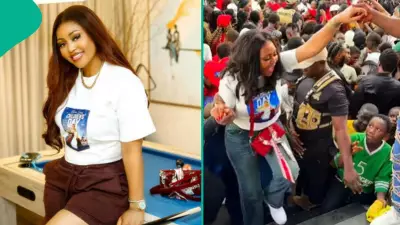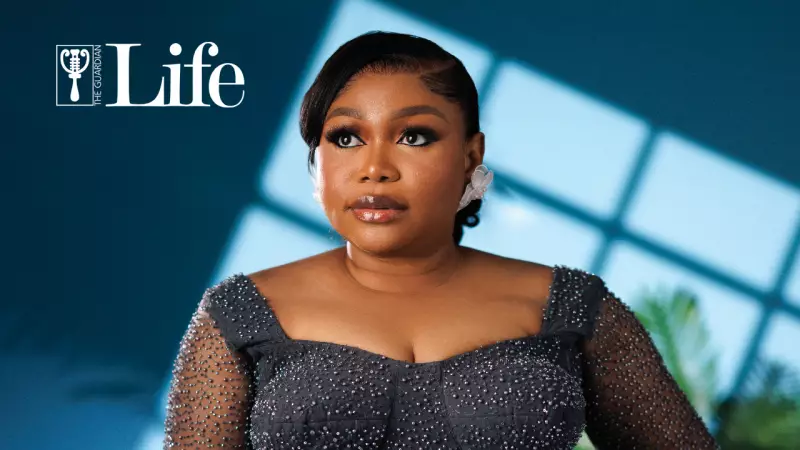
For years, the Nigerian film industry, known globally as Nollywood, has been powered by the magnetic appeal of its stars. However, a pivotal shift is underway. The future of African cinema is increasingly dependent on robust business systems and strategic ownership, not just famous faces. Leading this charge is multi-hyphenate creative Ruth Kadiri—actress, screenwriter, filmmaker, and savvy entrepreneur.
The YouTube Visionary and the Power of Ownership
While many in Nollywood chased traditional fame, Ruth Kadiri built a distribution empire. In a move considered unconventional at the time, she launched her YouTube channel, RuthKadiri247, in 2014. This decision, initially met with scepticism, has proven visionary. Today, her channel boasts over 4.6 million subscribers and 742 million views across English and French versions, cementing her status as a pioneering force in digital film distribution.
Kadiri's core insight was recognising that distribution is the backbone of entertainment. "I realised early on that if that structure is weak, everything collapses, no matter how talented you are," she explains. She chose to build a platform she owned entirely, rejecting the wait for traditional gatekeepers. "YouTube offered what Nollywood lacked at the time: direct access to the audience, transparency, data, monetisation, global reach, and freedom," she states. This move represented a fundamental shift from being part of the system to building it.

Bridging Markets and Building Structural Gaps
Kadiri's ambitions extend beyond Nigeria's borders. In November 2025, she premiered her new French-language feature film, Le Désir Ardent du Roi, in Gabon to massive acclaim. The event was more than a premiere; it was a strategic bridge into Francophone Africa, demonstrating cinema's role in diplomacy and economic exchange.
Reflecting on Nollywood's broader needs, Kadiri identifies critical infrastructural gaps. The first is the lack of sophisticated rights and revenue management. "A film should earn over years, not months. Without proper rights management—licensing, cataloguing, syndication—creators leave billions on the table," she argues. The second gap is the need for data-driven decision-making in greenlighting projects, moving away from choices based purely on emotion or ego.
"When we rely only on applause, we forget that applause does not build an industry. Systems do," Kadiri emphasises. She believes the industry must start celebrating structural builders as loudly as it celebrates its stars to unlock its full economic potential.
Investing in Women and the Path to Legacy
Kadiri is a strong advocate for investing in women both on and off-screen, framing it as an economic imperative. "Women are one of Nollywood’s most powerful economic assets, and we’ve barely scratched the surface," she says. She points out that women understand the emotional core of African households and that female-led stories and production teams consistently prove commercially viable and operationally efficient.
For new filmmakers seeking to build a lasting legacy, her advice is rooted in ownership and discipline. "Start small, but own your platform. Young filmmakers often think ownership comes after success. But ownership is what creates success," she advises. She urges creators to build their audience early, study distribution meticulously, retain their master rights, and create their own platforms rather than waiting for an invitation.
Looking ahead, Kadiri predicts Nollywood's financial growth will come from a hybrid model, leveraging international streaming platforms for prestige and global reach while using owned platforms like YouTube for sustainability and scale. To shift value from stars to the creators behind the scenes, she calls for new incentives: royalty systems, contract transparency, and industry-wide credit standards.

Beyond her business acumen, Kadiri shares a personal note on balance. She names sleep and quiet family time as her reset buttons. Addressing a common perception, she laughs, "I am NOT quiet. I think people confuse being focused with being silent." Furthermore, she has shed any guilt about her strong work ethic. "I’m a builder. I love creating... Now, I’m unapologetic about it. I work very hard and I enjoy it," she concludes, embracing her role in shaping Nollywood's next chapter.