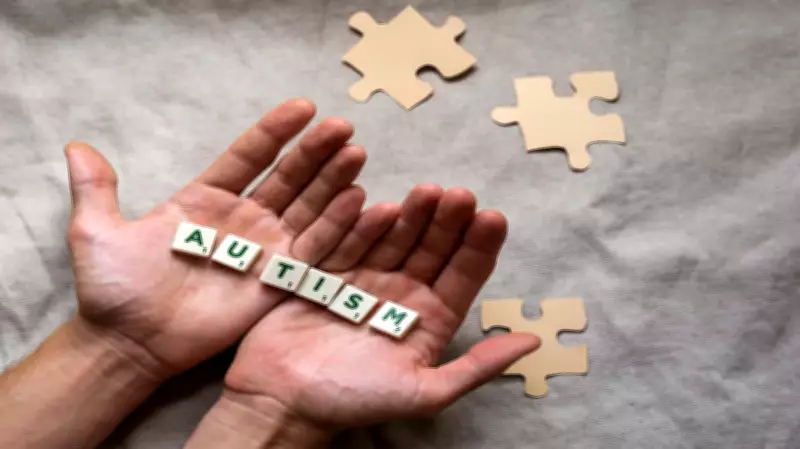
World Autism Day Highlights Deepening Crisis for Nigerian Families
As the world commemorates World Autism Awareness Day, Nigerian families caring for children with autism are confronting escalating financial pressures and systemic barriers. The exorbitant costs of essential therapies, coupled with inadequate service availability and lax enforcement of disability protections, are compounding the challenges faced by households across the nation.
Financial Burden of Autism Care
Therapy remains the cornerstone of autism management, yet it imposes a significant economic toll on families. Children diagnosed with autism spectrum disorder (ASD) typically require a combination of speech, occupational, and behavioral therapies over extended periods. At the Lagos University Teaching Hospital (LUTH), a six-week session of speech therapy costs between N12,000 and N15,000, while behavioral and occupational therapies each range from N10,000 to N12,000 for the same duration.
With sessions often scheduled weekly, families must pay separately for each therapy type, dramatically increasing overall expenses. This financial strain is particularly acute for households with multiple children on the spectrum, as autism is a lifelong developmental condition demanding sustained intervention.

Access and Transportation Challenges
Beyond treatment costs, accessing specialized services presents a major hurdle. Many families, especially those in peri-urban and rural areas, must travel long distances to reach urban centers like Lagos where most specialists are based. Caregivers from outskirts such as Ikorodu frequently commute to facilities in Idi-Araba or Ikeja, facing rising transportation expenses due to repeated nationwide fuel price increases.
This geographical barrier is exacerbated by the limited integration of autism services into primary healthcare systems. Families are forced to rely on overstretched tertiary facilities, while the absence of local therapists at grassroots health centers delays early diagnosis and intervention—critical factors for improving long-term outcomes.
Socioeconomic Impact on Families
The economic consequences extend beyond direct medical costs. Many parents, particularly mothers, reduce working hours or abandon employment entirely to provide round-the-clock care, resulting in lost income and heightened financial vulnerability. Kelechi Onah, a mother from Ikorodu, exemplifies this struggle. Following her child's autism diagnosis at age four, she quit her banking job, and her husband subsequently left the marriage.
Onah's experience reflects a broader pattern where the high cost of care combined with constant supervision makes stable employment difficult, especially for single parents. Families also face discrimination in housing and education, sometimes being pressured to vacate homes or withdraw children from schools.
Nutritional Considerations in Autism Care
Nutrition has emerged as a vital though often overlooked component of autism management. While diet neither causes nor cures ASD, it plays a crucial supportive role in enhancing outcomes. Clinical nutritionist Odukoya Fiyinfoluwa, known as YourDietBoy, emphasizes that dietary patterns influence brain function, behavior, attention span, energy levels, immunity, and overall well-being.
Many children with autism experience feeding difficulties, including extreme food selectivity and sensory sensitivities. In Nigeria, traditional meals combining multiple textures can overwhelm children with sensory issues, leading to limited food variety and nutrient deficiencies. Common shortfalls include protein, iron, calcium, vitamin D, and fiber, which can exacerbate symptoms like poor concentration, irritability, and gastrointestinal problems.
Fiyinfoluwa advocates for structured, individualized nutrition approaches and cautions against unnecessary dietary restrictions driven by misinformation, which may further reduce nutrient intake.

Educational and Legal Shortcomings
Educational inclusion remains another critical challenge. Mrs. Joko Omotola, National President of the Association for Intellectual and Developmental Disabilities of Nigeria, notes that while some children with autism attend school, they often lack meaningful learning opportunities. Many institutions lack assistive devices, trained personnel, or tailored teaching methods, and inclusive classrooms are frequently overcrowded with undertrained teachers.
Private schools offering specialized support are prohibitively expensive, requiring additional fees beyond standard tuition. Omotola calls for educational reforms, including specialized curricula, teacher training, and assistive learning tools.
Legally, the Discrimination Against Persons with Disabilities (Prohibition) Act exists but suffers from weak enforcement. Stakeholders cite implementation gaps, poor funding of relevant agencies, and limited public awareness as undermining its impact, leaving families exposed to discrimination in various social spheres.
Calls for Systemic Change
On this World Autism Awareness Day, themed 'Autism and Humanity – Every Life Has Value,' advocates are urging comprehensive action. Recommendations include integrating autism therapies into health insurance schemes, deploying services at primary healthcare centers, strengthening social protection systems, and enhancing public sensitization to combat stigma.
Omotola stresses that awareness alone is insufficient; concrete steps are needed to ensure dignity, inclusion, and equal opportunities for persons with autism. With approximately 62 million people globally on the spectrum—about one in 127—the need for holistic, accessible support has never been more urgent.