DrugStoc Sponsors Pharma West Africa 2026 as Nigeria Aims for Pharmaceutical Self-Sufficiency
Nigeria's pharmaceutical sector is grappling with escalating demand, yet it remains heavily reliant on imports, burdened by high production costs, fragile supply chains, and the pervasive threat of counterfeit drugs. Across Africa, experts estimate that between 70% and 95% of medicines are imported, while 30% to 60% of local manufacturing capacity lies idle, highlighting a critical gap between healthcare needs and domestic production.
Pharma West Africa 2026: A Platform for Change
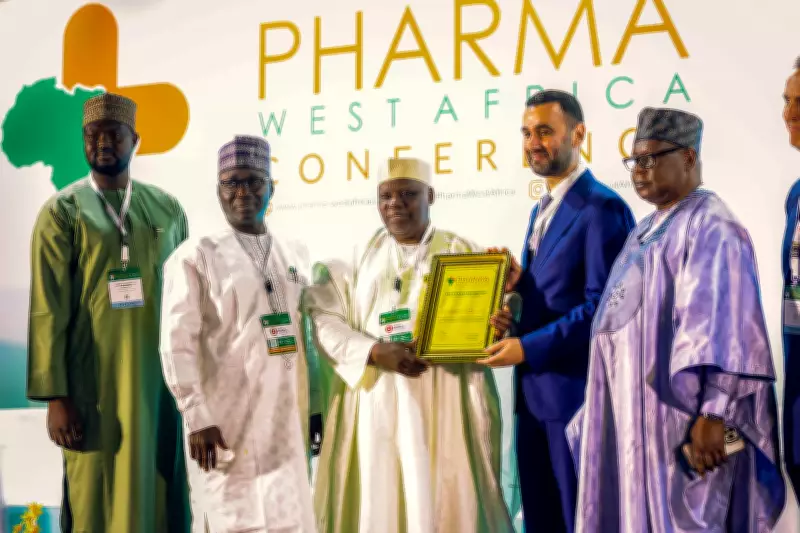
These pressing issues took center stage at the third edition of Pharma West Africa 2026, a three-day exhibition and conference held at the Landmark Event Centre in Lagos. The event convened policymakers, manufacturers, researchers, investors, and health professionals to explore strategies for securing medicine supply through enhanced local production, improved financing, and more efficient supply systems. With hundreds of delegates, including global companies and representatives from the United Kingdom, India, and Russia's St. Petersburg region, it was a bustling and well-attended gathering.
Under the theme Pharmaceutical Supply Chain Strengthening for Self-Sufficiency in West Africa, participants focused on reducing import dependence and building robust healthcare systems across the region. Stakeholders highlighted that donor dependency, fragmented procurement systems, and inadequate investment have hindered the growth of local pharmaceutical manufacturing in many African nations.

Key Insights from Industry Leaders
Pharm Ahmed Yakasai, Chairman of the planning committee and former President of the Pharmaceutical Society of Nigeria, emphasized that the COVID-19 pandemic exposed severe weaknesses in global supply chains and underscored the risks of over-reliance on foreign sources for essential medicines. He urged attendees to move beyond rhetoric and commit to actionable steps, such as bolstering local manufacturing, fostering innovation, harmonizing regulations, and attracting investment.
Among the prominent participants was DrugStoc, the official conference sponsor. As a Nigerian health technology company, DrugStoc operates a tech-enabled supply chain platform that helps healthcare providers source medicines and medical products more efficiently. Co-founder and President Adham Yehia explained that Pharma West Africa was designed to create a platform for industry players to discuss policy, showcase innovations, and coordinate actions as the sector expands.
Yehia stressed that stronger collaboration over the next decade is essential for Nigeria and the region to achieve better health outcomes. The conference facilitates this by connecting manufacturers with distributors and broader markets, while also enabling foreign investors to assess opportunities before committing funds. He noted that collaboration among policymakers, manufacturers, retailers, and insurance companies will be crucial in building a resilient pharmaceutical system.
The Role of Technology and Ongoing Challenges
Yehia's remarks reflect the increasing importance of technology in the industry. Digital platforms can enhance procurement, monitor stock levels, reduce delays, and link buyers with trusted suppliers. In Nigeria, where medicine shortages and uneven distribution are common, such systems are poised to become more vital in the coming years.
However, significant obstacles persist. Manufacturers face high energy costs, foreign exchange pressures, regulatory delays, and limited access to affordable finance, which drive up prices, impede expansion, and reduce the competitiveness of locally produced medicines. Despite these hurdles, Nigeria remains one of Africa's largest pharmaceutical markets due to its sizable population and growing healthcare demand.
Yehia expressed optimism that Nigeria has the potential to become a West African hub for pharmaceutical excellence, serving both domestic and neighboring markets. This ambition aligns with opportunities presented by the African Continental Free Trade Area, which offers access to a market of over 1.3 billion people. The increasing attendance at Pharma West Africa each year signals rising interest in the sector, underscoring its potential for growth and innovation.