Over Half of Nigerian Children Lack Mosquito Net Protection, NMEP Data Reveals
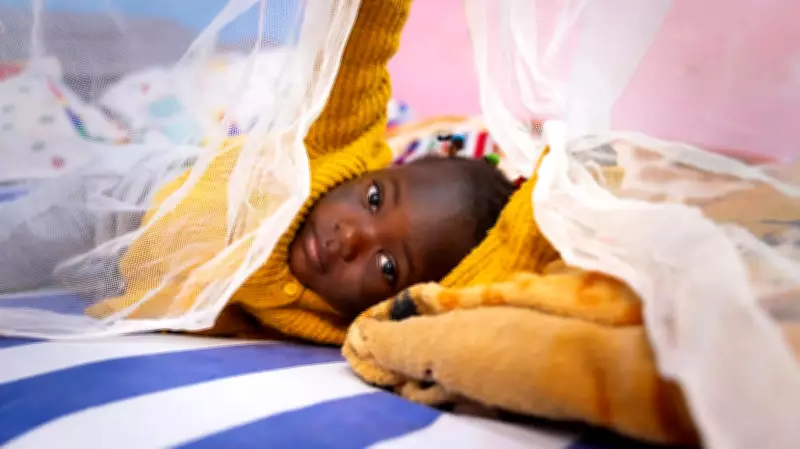
A recent survey has highlighted a critical gap in malaria prevention efforts across Nigeria, with more than half of the nation's children remaining vulnerable to mosquito bites. According to the Nigeria Malaria Indicator Survey (NMIS) 2025, approximately 44.9 per cent of children sleep under insecticide-treated nets (ITNs), leaving a staggering 55 per cent unprotected from the deadly disease.
This alarming statistic comes as Nigeria faces a pervasive malaria threat, with an estimated 97 per cent of the population at risk. Young children, pregnant women, and their unborn babies are identified as the most susceptible groups, underscoring the urgent need for enhanced protective measures.
National Malaria Elimination Programme Advocates for Effective Net Use
The National Malaria Elimination Programme (NMEP) has emphasized that the consistent use of ITNs is a proven strategy to prevent malaria and significantly reduce child mortality rates. Dr. Nnenna Ogbulafor, the National Coordinator of NMEP, addressed these concerns during a church service and medical outreach at The Father's Church in Jahi, Abuja, ahead of World Malaria Day 2026.

Dr. Ogbulafor cautioned the congregation against assuming all fevers are malaria, urging individuals to seek proper testing before treatment and avoid self-medication. She specifically appealed to pregnant women to register early for antenatal care to receive Sulphadoxine-Pyrimethamine (SP), a preventive treatment that safeguards both mother and unborn child from malaria when taken at least three times before delivery.
Importance of Proper Diagnosis and Treatment
Further stressing the need for accurate medical intervention, Dr. Ogbulafor advised prompt testing for all fever cases to confirm malaria diagnosis. She recommended that families use only Artemisinin-based Combination Therapy (ACTs) for treating confirmed malaria cases and ensure completion of the full course to prevent complications.
Mrs. Hope Obokoh, the Advocacy, Communication and Social Mobilisation Officer (ACSM) at NMEP, highlighted the severe consequences of inadequate malaria treatment. She noted that failing to treat malaria early or correctly, including incomplete courses or incorrect medications, can lead to severe illness, drug resistance, coma, or even death.
"Insist on the use of ACT only. ACT is safe, affordable, and effective, available in both private and public health facilities. It kills malaria parasites faster than any other anti-malarial medicine," Obokoh stated. She acknowledged that while global progress against malaria has been historic, Nigeria is making strong strides in malaria control efforts.
Pathways to Malaria Elimination
Obokoh outlined key practices for eliminating malaria, emphasizing the importance of visiting health facilities promptly when ill. "If positive for malaria after testing, we are treated with ACT, and take the medicine according to the doctor's directives, which includes completing the doses," she explained. These measures, combined with widespread ITN usage, are crucial for reducing the disease's impact and moving toward eradication.
The findings from the NMIS 2025 serve as a stark reminder of the ongoing challenges in malaria prevention, calling for renewed commitment from both health authorities and communities to protect vulnerable populations and save lives.