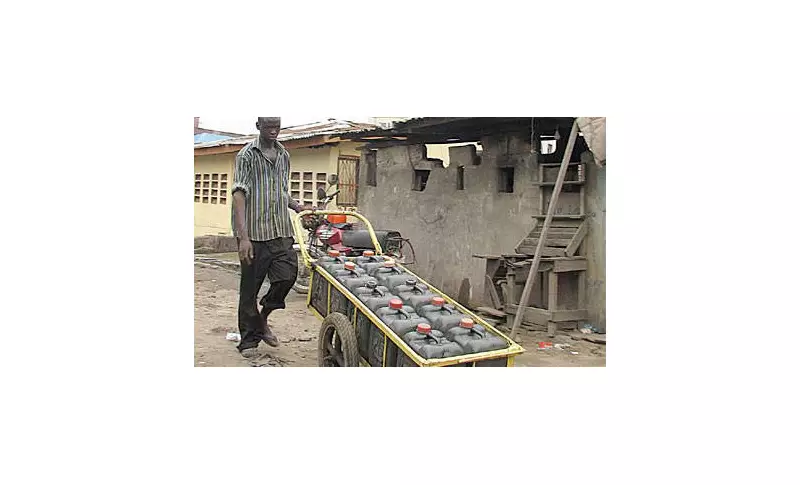
In Nigeria, access to clean, potable water remains a significant challenge for many households. This gap in public utility provision has given rise to a bustling informal economy of water vendors, locally known as 'Meruwa', who sell water in large jerrycans. However, this solution carries a grave risk: contaminated water is a major conduit for cholera outbreaks, a fact supported by numerous health data. With the country grappling with the disease, vigilance when purchasing from these vendors is not just advisable—it's a matter of public health.
Critical Red Flags When Buying 'Meruwa' Water
Before you hand over money for that jerrycan, taking a moment to inspect the water and its container can be a lifesaving decision. Health experts and everyday experiences point to several easily identifiable warning signs that the water may be hazardous.
1. The Condition of the Jerrycan Itself
Never purchase water stored in a container that is visibly dirty, stained, or oily. A grimy exterior often indicates poor handling and storage practices, and contaminants can easily seep into the water, even if the liquid itself appears clear. During periods of scarcity, the temptation to overlook this is high, but doing so could invite severe waterborne illnesses.

2. Unusual Odour or Colour
Your senses are powerful tools. Water meant for consumption should have no strong or unpleasant smell. If it emits a sour, oily, or otherwise strange odour, reject it immediately. Similarly, avoid water that is cloudy, brownish, yellow, or has visible particles floating in it. This discoloration is a direct indicator of impurity, often stemming from vendors fetching water from unreliable sources to meet high demand.
3. Poor Handling and an Unverifiable Source
Observe how the vendor manages their stock. Are jerrycans left uncovered, placed directly on dirty ground, or filled carelessly? Such practices compromise safety. Furthermore, always ask where the water comes from. If the 'Meruwa' cannot clearly explain the source or evades the question, find another supplier. Language barriers should not deter this crucial inquiry, as data links contaminated sources to a significant portion of cholera fatalities.
Protecting Your Household in a Challenging Environment
The reality for many Nigerians is that 'Meruwa' water is a daily necessity. Since consistent government provision remains elusive, consumers must take proactive steps. Establishing a relationship with a single, trusted vendor can enhance traceability and accountability, though this can be difficult in practice. The core advice remains: invest those few seconds to inspect before you buy.
This simple act of due diligence is a powerful defensive measure. It protects not just the individual buyer but entire families, especially food vendors who use large quantities of such water in their businesses. In the fight against cholera, which has claimed many lives, informed consumer choice becomes a critical first line of defense where infrastructure has failed.