Cholera Outbreak Devastates Borno State
A severe cholera outbreak in Borno State, northeastern Nigeria, has resulted in at least 74 deaths and over 7,800 suspected cases, placing immense strain on the region's already fragile healthcare system. The outbreak, which began in late July, has spread rapidly across multiple local government areas, exacerbated by flooding and poor sanitation conditions.
Impact on Healthcare Facilities
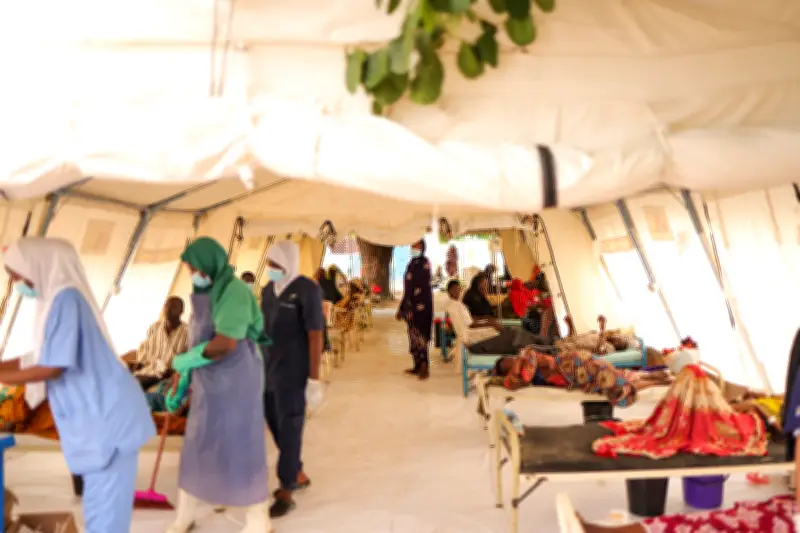
Healthcare facilities in the state are overwhelmed, with many patients being treated in makeshift wards due to a shortage of beds and medical supplies. The Borno State Ministry of Health, in collaboration with international partners, has established emergency treatment centers, but resources remain critically limited. Health workers are struggling to cope with the influx of patients, many of whom are children and the elderly.
Dr. Salisu Kwaya, the state's Commissioner for Health, confirmed the figures during a press briefing in Maiduguri, the state capital. He stated that the government is doing its utmost to contain the outbreak, but appealed for more support from the federal government and humanitarian organizations.

Contributing Factors
The outbreak is attributed to the consumption of contaminated water and food, compounded by recent flooding that has displaced thousands of people. Many communities lack access to clean water and proper sanitation facilities, creating a breeding ground for the cholera bacteria. The rainy season has further worsened the situation, with floodwaters spreading contaminants across wide areas.
According to the World Health Organization (WHO), cholera is a highly virulent disease that can cause severe acute watery diarrhea and, if left untreated, can lead to death within hours. The current strain in Borno is particularly aggressive, with a high case fatality rate.
Response Efforts
Emergency response teams have been deployed to affected areas, conducting door-to-door awareness campaigns, distributing water purification tablets, and setting up oral rehydration points. The Borno State government has also activated a cholera response plan, including the establishment of isolation centers and the prepositioning of medical supplies.
International organizations, including UNICEF and Médecins Sans Frontières (MSF), are supporting the response. However, funding gaps and logistical challenges hamper efforts. The state government has called for urgent intervention to prevent further loss of life.
Public Advisory
Authorities are urging residents to practice good hygiene, including frequent handwashing with soap and safe water, drinking only boiled or chlorinated water, and avoiding raw or undercooked food. Anyone experiencing symptoms such as diarrhea and vomiting should seek immediate medical attention.
The outbreak is a stark reminder of the vulnerability of populations in conflict-affected regions like Borno, where years of insurgency have weakened public health infrastructure. As the rainy season continues, the risk of further spread remains high.