A prominent medical expert has raised a critical alarm, stating that systemic delays in accessing quality healthcare and the country's low health insurance coverage are creating a dangerous illusion about the true scale of sickness in Nigeria.
The Hidden Crisis in Healthcare Access
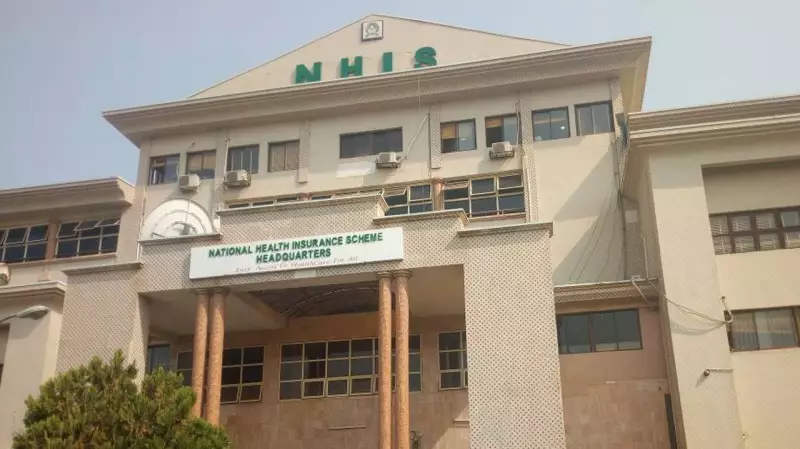
The warning was delivered by medical practitioner Edikan Ubak during a recent medical outreach program in Ipetu-Ijesa, Osun State, on 17 January 2026. Ubak pinpointed the shockingly low penetration of formal health insurance as a core problem. He revealed that fewer than 10 per cent of Nigerians, approximately 20 million people, are currently registered with the National Health Insurance Authority (NHIA).
This massive coverage gap forces the vast majority of citizens to pay for medical services directly from their pockets. "This heavy reliance on out-of-pocket payments pushes countless households toward cheaper, often ineffective alternatives," Ubak explained. He listed these alternatives as including unregulated herbal treatments, reliance solely on spiritual healing, and consultations with local chemists, all frequently pursued instead of proper clinical care.

Consequences: Undetected Diseases and Misused Resources
The expert detailed the severe consequences of this financial barrier. "The result is a dangerous cycle," he stated. "People postpone seeking professional medical help, illnesses remain undiagnosed or poorly managed, and the nation's healthcare resources are ultimately misappropriated because conditions become more severe and costly to treat." This cycle, he argued, leads to a significant underestimation of the actual disease burden across the country.
Ubak emphasized that this is particularly critical for non-communicable diseases (NCDs) like hypertension and diabetes, which require consistent management. He stressed the urgent need for targeted, community-based interventions to prevent and control such conditions.
A Call for Accessible Systems and Stronger Collaboration
To reverse this trend, the medical professional called for the establishment of truly accessible primary healthcare systems. These systems, he said, must be equipped to provide regular health screenings, offer professional counselling and appropriate medications, and have clear pathways for referring patients to more specialized facilities.
He also highlighted the necessity for a united front. Stronger collaboration between government agencies, NGOs, religious institutions, and community members is essential to make healthcare both accessible and affordable. This multi-stakeholder approach is vital for Nigeria to make tangible progress toward the World Health Organisation's Universal Health Coverage (UHC) goals.
The outreach event that served as the platform for this warning was a one-day initiative organized by the NYSC Education and NDLEA Community Development Service (CDS) groups. They worked in partnership with the Osun State Health Insurance Agency Scheme (OHIS) and the Nigerian Air Force Institute of Safety (NAFIS).
The program provided vital services to 161 residents of the community, including leaders, farmers, artisans, schoolchildren, and teachers. The services offered were comprehensive:
- Point-of-care blood glucose testing
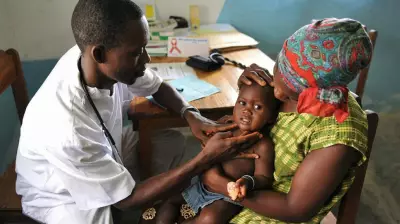
- General medical consultations
- Eye assessments and provision of prescription lenses
- Distribution of free medications
- Medical counselling and sensitization on healthy living
In a significant benefit, five beneficiaries were awarded free annual health insurance coverage.