Israel Stands Firm on Southern Lebanon Occupation
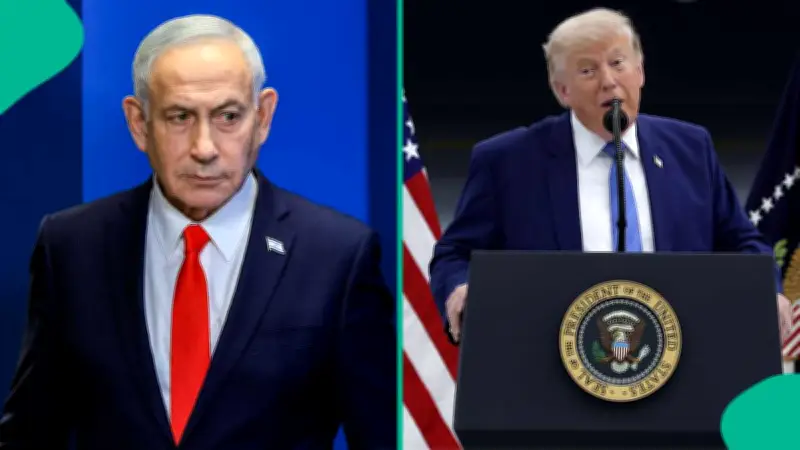
Israel's Defense Minister Israel Katz declared on June 24 that Israeli forces will not withdraw from southern Lebanon, directly contradicting the spirit of ongoing U.S.-backed peace negotiations. In a statement that underscores the fragility of the emerging accord, Katz asserted: "The IDF is prepared … and we are not retreating. We announced that in any case we are not withdrawing, and as of this moment — and this is a political achievement — there is no American demand for Israel to withdraw from Lebanon."
According to Reuters, Israeli leaders, including Prime Minister Benjamin Netanyahu, argue that the security zone established in southern Lebanon is vital to protect residents in northern Israel. This stance complicates U.S.-backed negotiations aimed at transferring some occupied territory to Lebanese army control, creating a major obstacle to the broader peace framework.
US-Iran Peace Deal Under Strain
The United States and Iran signed an initial accord last week to end a war that began on February 28, which had disrupted global energy markets after the closure of the Strait of Hormuz. The deal includes financial incentives for Iran, sanctions relief, and disputed provisions on nuclear inspections. Criticism has mounted against U.S. President Donald Trump, with opponents claiming the accord is too generous to Tehran. Iran insists that nuclear inspections will only be considered in a final agreement, after sanctions are lifted.

Israel has been battling Hezbollah in Lebanon since early March, after the group attacked Israel in support of Iran. Tehran has made a ceasefire in Lebanon a central demand in peace talks. Iran's parliament speaker Mohammad Baqer Qalibaf said in Baku: "For us, a ceasefire in Lebanon is as important as a ceasefire in Iran, and further, an end to the war in Lebanon is as important as an end to the war in Iran."
Renewed Violence in Southern Lebanon
On Wednesday, an Israeli drone strike killed at least two people in southern Lebanon, according to Lebanese security and medical sources. The Israeli military confirmed it had targeted armed Hezbollah fighters but did not clarify if the incidents were linked. This attack highlights the ongoing volatility despite diplomatic efforts.
Rubio's Diplomatic Tour to Reassure Allies
U.S. Secretary of State Marco Rubio is touring the Middle East to reassure allies sceptical of the peace deal. On Wednesday, he met UAE President Sheikh Mohammed bin Zayed Al Nahyan for a working lunch. Rubio will also visit Kuwait and Bahrain, both of which host U.S. military bases and suffered Iranian missile attacks during the war. The deal includes a $300 billion fund for Iran and sanctions waivers, which many regional states view as excessive. Trump defended the financial package, saying funds would be used to buy medical supplies and food from the U.S., supporting American farmers. Iran disputes this claim.
Strait of Hormuz Shipping Resumes
Shipping has resumed through the Strait of Hormuz, easing oil prices. However, long-term management of the waterway remains under negotiation between Iran, Oman, and Gulf states. Qatar's Prime Minister Sheikh Mohammed bin Abdulrahman al-Thani visited Muscat on Wednesday to discuss future arrangements. Trump insisted that Iran had assured the U.S. there would be no transit fees: "Iran has informed the U.S. that, despite troublemaking Fake News reporting to the contrary, there are 'NO TOLLS, NO INSURANCE COSTS, & NO OTHER CHARGES OF ANY KIND BEING SOUGHT OR RECEIVED BY IRAN ON SHIPS TRAVELING THE STRAIT OF HORMUZ.'"
Previous Ceasefire Agreement in Question
Legit.ng earlier reported that Israel and the armed Lebanese group Hezbollah had agreed to a ceasefire, a senior US official confirmed to the BBC. The deal was intended to halt escalating violence in Lebanon and support the broader US-Iran agreement, which calls for an "immediate and permanent" end to military operations on all fronts, including Lebanon. However, Israel's current refusal to withdraw casts doubt on the durability of that ceasefire.