Health Minister Pate Explains Ministry's Poor 2025 Budget Performance
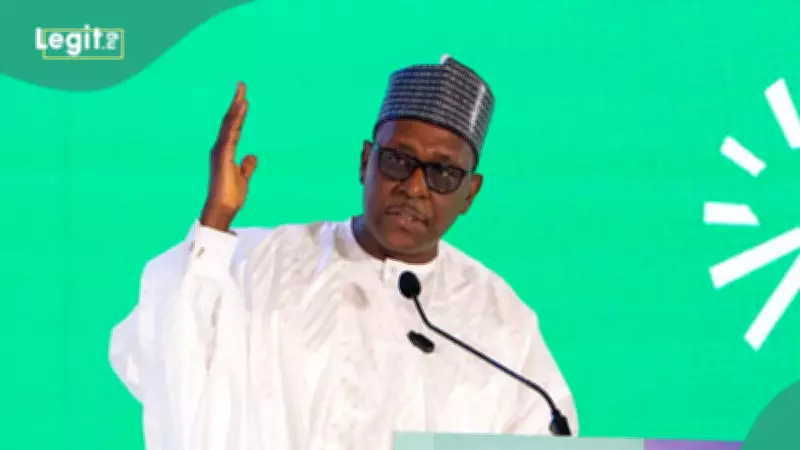
Nigeria's Minister of Health and Social Welfare, Professor Mohammed Ali Pate, has provided detailed explanations for his ministry's disappointing implementation of the 2025 capital budget, revealing that only a minuscule fraction of allocated funds was actually released for critical health projects.
Budget Release Crisis Exposed
During his appearance before the House of Representatives to defend the ministry's 2026 budget proposal, Minister Pate disclosed shocking figures that highlight systemic financial challenges. Only ₦36 million was released from the ₦218 billion capital budget approved for 2025, representing less than 0.2% of the total allocation intended for health infrastructure and development projects.
The minister explained that while personnel budgets were fully released and utilized, the capital component suffered severe setbacks primarily due to the bottom-up cash planning system operated by the Office of the Accountant-General of the Federation. This system, designed to manage government expenditures, has created significant bottlenecks in releasing funds for essential health sector investments.

Multiple Factors Hindering Health Sector Progress
Pate identified several interconnected issues that contributed to the ministry's poor performance:
- Inadequate cash releases under the Accountant-General's financial management system
- Delays in counterpart funding needed to access international donor support
- Systemic challenges in aligning budget releases with health sector priorities
The minister emphasized that these financial constraints occurred despite the health sector operating within established national frameworks including Vision 20:2020, the Medium-Term National Development Plan 2021–2025, and the National Strategic Health Development Plan II.
Universal Health Coverage Remains Central Objective
During his presentation, Pate reaffirmed the government's commitment to universal health coverage as a central policy objective. He stressed that strengthening Nigeria's health system, particularly the Primary Health Care subsystem, remains crucial for ensuring quality, equitable, and affordable health services for all citizens.
The minister referenced constitutional mandates and the National Health Act that require the government to guarantee the right to health for Nigerians, with the 2016 National Health Policy serving as the primary implementation guide.
Lawmakers Demand Transparency and Accountability
In response to the minister's revelations, lawmakers expressed serious concerns about the ministry's financial management. Amos Magaji, Chairman of the House Committee on Healthcare Services, demanded detailed records of all donor funds received by the ministry and comprehensive documentation of how these resources were utilized.
The committee's scrutiny reflects growing legislative oversight of health sector spending and increasing demands for transparency in how both domestic and international health funds are managed.
International Health Partnerships Continue
Despite domestic funding challenges, Nigeria continues to engage in significant international health partnerships. The United States recently signed a five-year health Memorandum of Understanding with Nigeria, committing nearly $2.1 billion in support while Nigeria pledged approximately $3 billion in domestic health spending.
Notably, about $200 million of the US funding is dedicated to supporting more than 900 Christian faith-based healthcare facilities that serve millions of Nigerians across the country. This agreement focuses on critical health areas including HIV, malaria, tuberculosis, and maternal and child health services.
Looking Forward to 2026 Budget Implementation
Minister Pate explained that the ministry's 2026 budget proposal was developed from the 2026–2028 Medium-Term Expenditure Framework and Fiscal Strategy Paper, prepared through the Government Integrated Financial Management Information System (GIFMIS).

He emphasized that the proposal aligns with the National Development Plan, federal government policy priorities, and health-sector deliverables under President Bola Ahmed Tinubu's administration. The minister's appearance before lawmakers represents an important step in addressing systemic challenges that have hampered health sector development and budget implementation in recent years.