The governments of Anambra, Ebonyi, and Enugu states in South-east Nigeria have activated all necessary response mechanisms to prevent the spread of Ebola Virus Disease (EVD) within their territories. This was disclosed in separate interviews following a News Agency of Nigeria (NAN) survey on measures against Ebola in the region.
The World Health Organisation (WHO) and the Nigeria Centre for Disease Control (NCDC) had identified some states as high-risk due to high trade and travel volumes, airports, and borders. The NCDC urged states with international airports and high inter-state travel to set up Emergency Operation Centres (EOC).
Anambra State Preparedness
Anambra State Commissioner for Health, Afam Obidike, stated that although Anambra is not classified as high-risk, its proximity to Enugu—a high-risk state—necessitates vigilance. The state has strengthened surveillance across health facilities, borders, and communities, with health workers on alert to detect and respond to suspected cases. Emergency response teams have been mobilized, and public awareness campaigns will educate residents on preventive measures. Obidike urged residents to maintain hygiene, avoid contact with sick persons, and report symptoms promptly. He assured that the government is working with health agencies to keep the state Ebola-free.

Enugu State Actions
Enugu State Commissioner for Health, George Ugwu, announced the activation of the Enugu State Public Health Emergency Operation Centre (EOC) for Ebola prevention. The EOC comprises major health stakeholders and partners. In its inaugural meeting, principal officers and leads were constituted, and the incident management structure was developed. The EOC identified response pillars: surveillance, point-of-entry screening, risk communication, and training of frontline health workers. It also resolved to set up a functional isolation facility at Enugu State University Teaching Hospital (ESUTH) Parklane. Ugwu emphasized that there is no need to panic as Ebola is not in the country, but urged heightened alertness, hygiene, and environmental cleanliness. He assured that Governor Peter Mbah is committed to effective prevention.
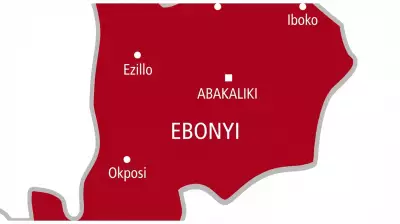
Ebonyi State Measures
Ebonyi State Commissioner for Health, Moses Ekuma, confirmed no Ebola cases in the state but affirmed preparedness to avert an outbreak. He identified consumption of antelope, fruit bats, apes, and monkeys as major causes of Ebola and urged citizens to avoid eating uncertified bushmeat. Ekuma listed symptoms: fever, sore throat, weakness, diarrhea, vomiting, muscle aches, and loss of appetite. He advised avoiding contact with infected blood or bodily fluids, maintaining personal hygiene, avoiding sex with infected persons, conducting safe burials, and using approved vaccines. Awareness campaigns have been launched to encourage reporting of suspected cases. Uchenna Nelson, CMAC at Alex Ekwueme Federal University Teaching Hospital, Abakaliki, reported no Ebola cases and expressed high preparedness. Residents Okey Sandra and Sunday Nweke called for more awareness, especially in rural areas.
Symptoms of Ebola include fever, fatigue, muscle pain, headache, sore throat, vomiting, diarrhea, rash, bleeding, and shock.