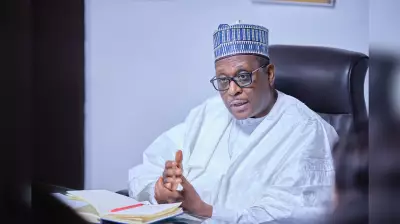
The World Health Organization has called for sustained funding and urgent action to combat malaria in Nigeria. Dr. Kolawole Maxwell, WHO Director for West and Central Africa Programs, made this known on Saturday while briefing journalists during the World Malaria Day commemoration in Yola.
Theme of 2026 World Malaria Day
Dr. Maxwell noted that the theme of the 2026 Malaria Day, 'Driven to end malaria, now we can, now we must,' reflects the WHO's commitment to completely eradicating malaria in Africa. He emphasized that this theme serves as a call to action for all Nigerians and the government.
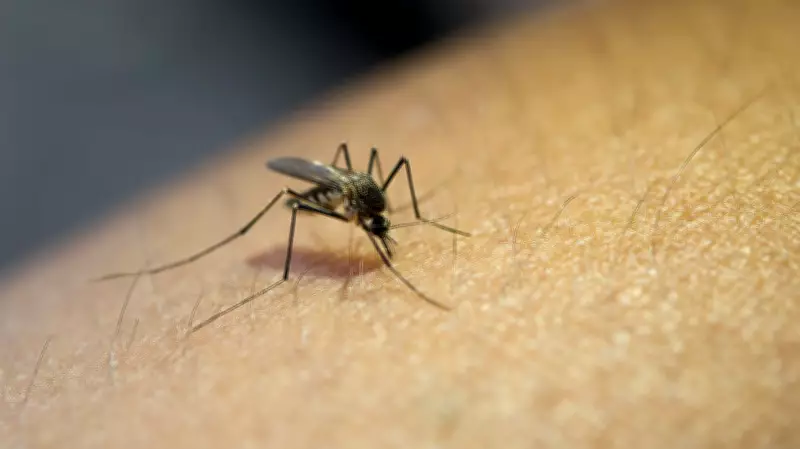
He stressed that ending malaria requires sustained funding by the government, good environmental hygiene—especially during the rainy season to maintain a mosquito-free environment—and effective use of mosquito nets by the population.

Adamawa State's Progress
Adamawa State Permanent Secretary Buba Mathias, represented by the Director of the Ministry of Finance, Nuhu Yahaya, noted that the state has made significant progress in the fight against malaria. He said the theme of the 2026 Malaria Day is a great call to action to build on credible progress.
Yahaya highlighted that Adamawa State has made commendable strides in malaria prevention and control through strategic partnerships and sustained daily commitment. Key interventions successfully implemented include the purchase and distribution of long-lasting insecticidal nets, seasonal malaria chemoprevention for children under five, and improved access to prompt diagnosis.
Strengthened Healthcare System
He further noted that the state has strengthened its healthcare system to ensure high-quality essential malaria services. Surveillance activities have also been enhanced for data collection and reporting, contributing to a reduction in malaria prevalence in the state.
However, challenges remain, including inconsistent and incorrect use of insecticidal nets, barriers to accessing healthcare in some communities, and misinformation and deeply rooted cultural beliefs that hinder the adoption of preventive measures and timely treatment.
Yahaya urged stakeholders to intensify efforts to reach communities and households to ensure effective use of insecticidal nets, prompt medical attention, and maintenance of good environmental hygiene.
Activities Marking the Day
Speaking earlier, the State Malaria Elimination Program Manager, Benjamin Nashion, noted that the 2026 Malaria Day commemoration includes a series of activities such as medical outreach, education of women on antenatal care and their role in preventing malaria for newborns, integrated campaigns for treated nets, and seasonal malaria chemoprevention. He emphasized that these exercises are aimed at protecting Nigerians from malaria and ending the disease.