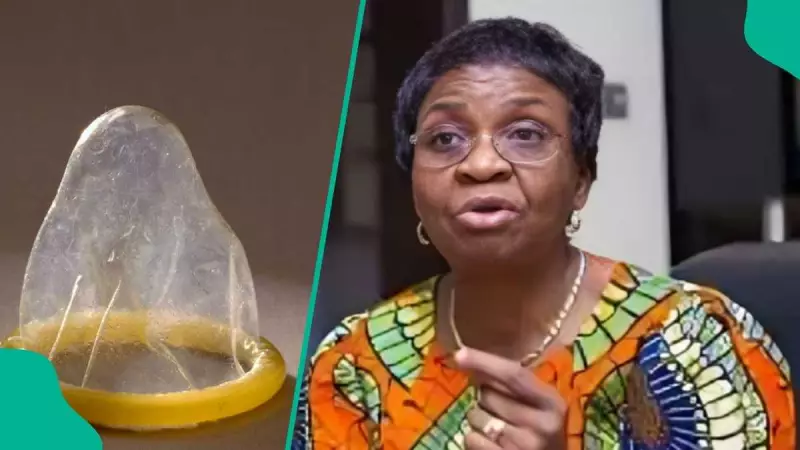
The National Agency for Food and Drug Administration and Control (NAFDAC) has issued a critical public health warning concerning the widespread circulation of counterfeit Kiss Condoms across Nigeria. The agency's alert, published on December 30, 2025, urges consumers to exercise extreme caution when purchasing the popular prophylactic brand.
Markets Flooded with Counterfeit Products
According to the regulatory body, these falsified condoms have infiltrated major markets nationwide. Key locations identified include Onitsha Main Market, Lagos's Idumota Market, the Trade Fair Complex, and several major markets in Kano, Abuja, Uyo, Gombe, and Enugu. The warning was prompted by an official report from MAH-DKT International Nigeria, a leading non-governmental organization specializing in contraceptive social marketing and HIV/AIDS prevention.
Three Critical Ways to Identify Fake Kiss Condoms
NAFDAC has provided a clear guide to help Nigerians distinguish between genuine and counterfeit products. Consumers are advised to carefully inspect the packaging and the product itself using these three points of verification.

First, examine the packaging. Authentic Kiss Condom packs feature clear instructions, the manufacturer's correct address, storage information, cautionary notes, and a sharp image of the condom. In contrast, fake packs often have darker box coloring, display incorrect addresses, lack essential medical device details, and omit caution information entirely.
Second, look at the condom strip design. Original Kiss Condoms are a light red hue with the brand name "Kiss" printed closely together across six lines. The counterfeit versions are typically a darker color, have the printing loosely spread across only five lines, and the individual strips are noticeably longer.
Third, inspect the product's physical attributes. Genuine condoms have a larger teat end and are properly lubricated. The fake ones are often thinner, take on an oval shape, and have insufficient lubrication. These flaws significantly increase the risk of breakage during use, rendering them ineffective.
Severe Health Risks and a Call to Action
The agency underscored the grave dangers associated with using these substandard products. Health risks include condom breakage, potential infections, allergic reactions, and a complete failure to protect against sexually transmitted infections (STIs) like HIV, gonorrhoea, and syphilis, as well as unwanted pregnancy.
NAFDAC has directed all its zonal directors and state coordinators to immediately commence the seizure of these fake condoms from the markets and enhance surveillance. The Director-General, Dr. Faisal Shuaib, emphasized the collective responsibility in safeguarding public health. He urged distributors, retailers, healthcare professionals, and the general public to always verify the authenticity of medical products and purchase only from licensed suppliers.
Consumers can report suspicious products to NAFDAC through multiple channels: by phone on 0800-162-3322, via email at sf.alert@nafdac.gov.ng, or by using the agency's E-reporting platforms and the Med-Safety app available for download on Android and iOS devices.
This alert follows previous consumer safety warnings from NAFDAC, including a recent recall of certain Indomie Noodles due to undeclared allergens, highlighting the agency's ongoing efforts to combat substandard and falsified goods in the Nigerian market.