The Nigerian Association of Resident Doctors (NARD) has called off its planned nationwide industrial action, offering a crucial reprieve to the nation's public health sector. The decision to suspend the strike, which was scheduled to commence on January 12, followed direct intervention from Vice President Kashim Shettima.
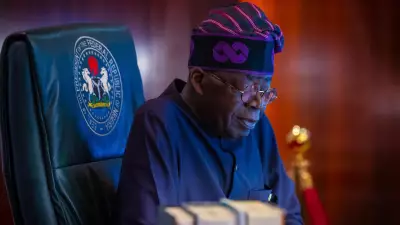
VP Shettima's Crucial Intervention
According to the National President of NARD, Dr. Mohammad Suleiman, the Vice President personally contacted the association's leadership. This engagement led to directives that resolved several of the critical issues at the heart of the dispute. Dr. Suleiman confirmed the development after a meeting of the association's National Executive Council (NEC).
"Following his intervention, the National Executive Council (NEC) of the association convened and unanimously resolved to respect the President's efforts and halt the strike action," stated Dr. Suleiman. He added that the government was being given additional time to act in good faith on other pending matters.

Averting TICS 2.0: The Planned Strike
The suspended strike, dubbed "Total, Indefinite and Complete Strike (TICS 2.0)," was announced on January 3. NARD had cited the Federal Government's failure to implement previously agreed-upon terms, including those in a signed Memorandum of Understanding. The decision to proceed with the industrial action was made during an Emergency National Executive Council meeting on January 2.
The association has promised to release a detailed communiqué in the coming days, outlining the specific resolutions and the next steps in their engagement with the government. Dr. Suleiman also indicated he would address the press to provide a comprehensive explanation once he has fully recovered.
Implications for Nigeria's Healthcare System
The suspension of the strike provides immediate, though temporary, relief for millions of Nigerians who rely on public hospitals for medical care. It prevents a full-scale disruption of medical services across the country at a critical time.
However, the development underscores the ongoing and fragile nature of negotiations between healthcare workers and the government. The core issues that prompted the strike threat remain partially unresolved, placing the focus on the government's subsequent actions within the agreed timeframe.