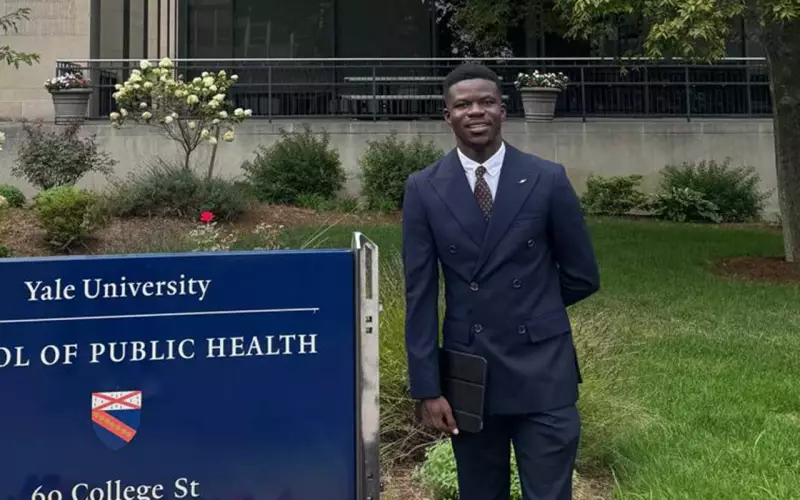
Dr. Ayo-ige Ayodele, a Nigerian clinician, has declared his commitment to channel the benefits of his international education back into the country's most underserved areas. He views his advanced training abroad as a strategic tool, not a final destination, with a core mission to fortify Nigeria's infectious disease networks.
From Clinical Practice to Public Health Mission
Ayodele, who earned his medical degree from Obafemi Awolowo University (OAU) in Ile-Ife, is currently advancing his studies in Epidemiology at the prestigious Yale School of Public Health. He told The Guardian that his long-term focus is on strengthening disease-control systems nationwide through a triad of evidence-based interventions, community-driven programs, and improved surveillance mechanisms.
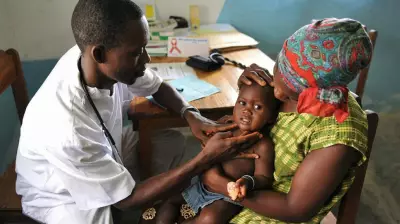
"I hope to strengthen infectious disease networks across Nigeria," Ayodele stated, emphasizing that rural communities are at the heart of his mission. "That's where health gaps are widest." His professional journey crystallized during clinical rotations in Nigeria, where he routinely treated patients suffering from neglected tropical diseases like onchocerciasis, lymphatic filariasis, and schistosomiasis, as well as advanced HIV/AIDS.

These firsthand encounters with the heavy burden of disease in marginalized populations revealed to him how poverty, stigma, and fragile health systems fuel preventable illnesses. "I realized that while medicine saved individual lives, public health had the power to prevent disease at a population level," he explained. This epiphany steered him toward epidemiology, which he describes as "the scientific backbone of Internal Medicine," bridging diagnosis with discovery to understand why diseases occur and how to stop them.
Yale Training as a Catalyst for Change
His admission into the Yale MPH Epidemiology program marked a pivotal turning point, merging his medical background with advanced skills in infectious disease modeling, research ethics, and global health systems analysis. At Yale, he has contributed to significant research, including studies on reducing early mortality in advanced HIV/AIDS and investigating the potential of azithromycin prophylaxis before starting antiretroviral therapy (ART).
His work also spans the distribution of neglected tropical diseases (NTDs) in low-resource settings and investigations into vaccine acceptance. "These findings reinforce that health policy must prioritize equitable access, affordability, community education, and surveillance," Ayodele asserted.
He identified several persistent obstacles within Nigeria's health sector:
- Limited funding and workforce shortages
- Inequitable access to care
- Weak primary healthcare structures
To overcome these, he advocates for strengthening disease surveillance, investing in community health workers, boosting local research capacity, and expanding data-driven decision-making across all health institutions.
A Vision for a Healthier Nigeria
Ayodele's ultimate goal is to become an infectious disease physician-epidemiologist who leads research that directly informs health policy and bolsters Nigeria's capacity to respond to emerging threats. His long-term vision includes building robust infectious disease networks, creating prevention-oriented programs, and mentoring the next generation of Nigerian clinician-scientists.
He urges aspiring health professionals in Nigeria to pair their clinical training with research, advocacy, or health systems thinking. "Be curious, collaborate widely, seek mentorship, and commit to equity," he advised.
Despite pursuing advanced studies in the United States, Ayodele maintains that his focus remains unwaveringly on Nigeria. For him, global expertise finds its truest value when it translates into locally driven, sustainable solutions for the communities that need them most.