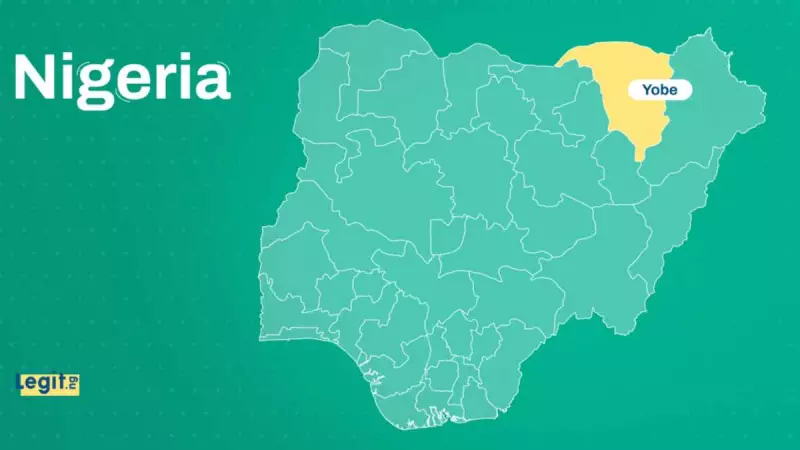
A shocking new report has uncovered a direct link between contaminated water and a devastating kidney disease crisis in Yobe State. Researchers have detected dangerous heavy metals in water samples consumed by residents of Gashua town, providing a critical clue to a health burden that has plagued communities for decades.
Deadly Contaminants in the Water Supply
The preliminary findings from a Chronic Kidney Disease (CKD) research project in Yobe State identified the presence of metals like cadmium, lead, and arsenic in the local water. Professor Mahmoud Maina, the Lead Researcher and Director of the Biomedical Research and Training Centre at Yobe State University, Damaturu, presented the alarming results on Monday, December 29, 2025.
Professor Maina, who also serves as the Science, Research, and Innovation Adviser to Governor Mai Mala Buni, warned that these substances are potent triggers for kidney disease. "If you find them close to your environment, then know that they can result in not only kidney disease but also other conditions like cancer and dementia," he stated. He emphasized that such contaminants should not be present in a normal environment.

Communities Along the River Bear the Brunt
The research highlights that areas along the Yobe River, including Gashua and Jakusko, have been severely affected by a high incidence of renal failure for many years. This has led to elevated rates of death and illness in these communities. The report also confirmed that known conditions such as diabetes and hypertension significantly contribute to CKD.
However, a particularly vulnerable group has been identified: fishermen in the area are mostly affected by the disease compared to others, suggesting a strong environmental link to their exposure through the river.
A National Health Crisis Demands Action
This revelation from Yobe comes amid broader national concerns about kidney health in Nigeria. The report underscores a silent public health emergency where environmental pollution is directly impacting human health. It calls for urgent intervention to address water quality and provide better healthcare for at-risk populations.
The situation in Yobe mirrors a growing need for awareness and preventive care across the country. Initiatives like the free health outreach organized by kidney transplant survivor Damilola Osuolale in Oyo state demonstrate the critical importance of early detection and public education on kidney health.
Furthermore, the plight of individuals like 27-year-old first-class graduate Raphael Ezechukwu, who has been diagnosed with total kidney failure, highlights the desperate need for accessible medical treatment and support systems for Nigerians suffering from renal diseases.