A groundbreaking scientific study has delivered a stark warning about the potential dangers of common sugar substitutes, particularly sorbitol, which is widely used in 'sugar-free' and 'diet' products. The research, published on 1 January 2026 in the prestigious journal Science Signaling, challenges the long-held assumption that these sweeteners are a completely safe alternative to regular sugar.
From Sweetener to Fructose: The Liver's Hidden Burden
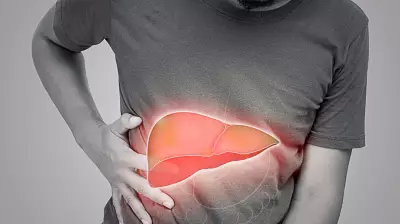
The study, led by Prof. Gary Patti, a professor of chemistry, genetics, and medicine, discovered a critical metabolic pathway. Sorbitol, once consumed, can be converted into fructose directly within the liver. This process triggers metabolic effects strikingly similar to those caused by excessive sugar consumption. Prof. Patti explained that sorbitol is metabolically just "one transformation away from fructose," meaning it can contribute to identical health concerns like liver strain and metabolic dysfunction.
Using zebrafish as a model, the researchers demonstrated that enzymes in the human gut can also produce sorbitol from everyday dietary sources. This internally produced sorbitol then travels to the liver for conversion. The pathway the liver uses depends on an individual's intake of glucose and sorbitol, as well as the unique composition of their gut microbiome.

The Gut Bacteria: A Crucial Defence System
The research highlights a vital protective role played by specific gut bacteria. Strains such as Aeromonas can break down sorbitol into harmless by-products, preventing it from accumulating. However, problems arise for individuals who lack these beneficial microbes. "If you have the right bacteria, it doesn't matter. But if you don’t, that’s when it becomes problematic," Prof. Patti stated.
The study further noted that sorbitol can be produced naturally in the gut after meals, even in people without diabetes, especially when blood glucose levels spike. While low levels found in whole fruits are typically managed well, modern diets often overwhelm this system. The consumption of processed foods containing multiple sweeteners creates a compounded risk, as different metabolic pathways converge and place excessive strain on liver function.
Implications for Health and 'Healthy' Sweeteners
This new evidence builds on prior research linking fructose to serious health issues, including steatotic liver disease—which affects about 30 per cent of adults globally—and even fuelling cancer cell growth. Prof. Patti cautioned against the misconception of safety, noting, "Most people assume sugar alcohols, also known as polyols, are eliminated without harm, but we do see that sorbitol given to animals ends up in tissues throughout the body."
The key takeaway is a sobering one: "There is no free lunch when it comes to sugar alternatives." The findings raise urgent questions about the safety of so-called "healthy" sweeteners, especially for Nigerians and others with existing metabolic conditions. The researchers have called for more studies into how gut bacteria regulate sorbitol and other sugar alcohols to better understand the full scope of the risk.