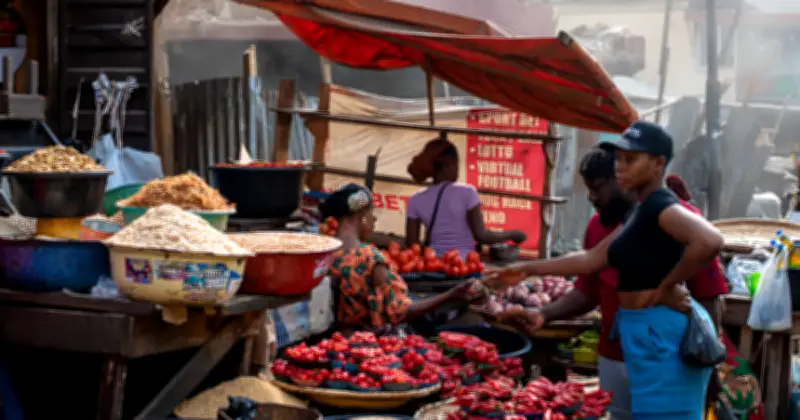
A new analysis reveals that maintaining a basic healthy diet in Nigeria has become increasingly unaffordable, with workers in some states spending up to 92% of the national minimum wage on food alone. The study, based on National Bureau of Statistics figures from March 2026, shows that in eight states, the cost of a healthy diet consumes over 80% of the ₦70,000 minimum wage.
Ekiti tops the list
Ekiti State is the most expensive, where a monthly healthy diet costs ₦64,821, representing 92.6% of the minimum wage. This leaves workers with less than ₦14,000 for rent, transport, electricity, and healthcare. Imo and Abia follow closely, at 90.9% and 87.2% respectively.
Full state ranking
- Ekiti: ₦64,821 (92.6%)
- Imo: ₦63,612 (90.9%)
- Abia: ₦61,070 (87.2%)
- Lagos: ₦59,210 (84.6%)
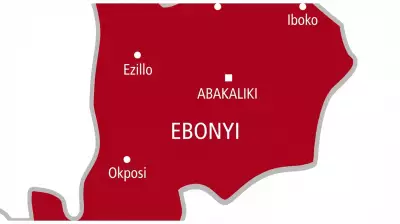
- Ebonyi: ₦58,621 (83.7%)
- Bayelsa: ₦58,187 (83.1%)
- Enugu: ₦56,327 (80.5%)
- Osun: ₦56,079 (80.1%)
- Anambra: ₦54,684 (78.1%)
Why the South-East is hardest hit
The concentration of high food costs in the South-East points to structural issues. Weekly sit-at-home orders enforced by non-state actors disrupt agricultural supply chains, cutting off farmers from markets. Illegal checkpoints on major routes force transport operators to pay bribes, costs passed to consumers. Infrastructure failures, including washed-out roads, isolate farming communities. Ebonyi, historically a productive agricultural state, now ranks among the most expensive for food.

Malnutrition concerns
Nutritionists warn that these figures signal a wave of malnutrition. The ₦70,000 minimum wage increase has been effectively nullified by food inflation. For minimum wage workers, the cost of eating healthy remains a distant dream.