7 Common Nigerian Foods That May Be Secretly Raising Your Blood Pressure
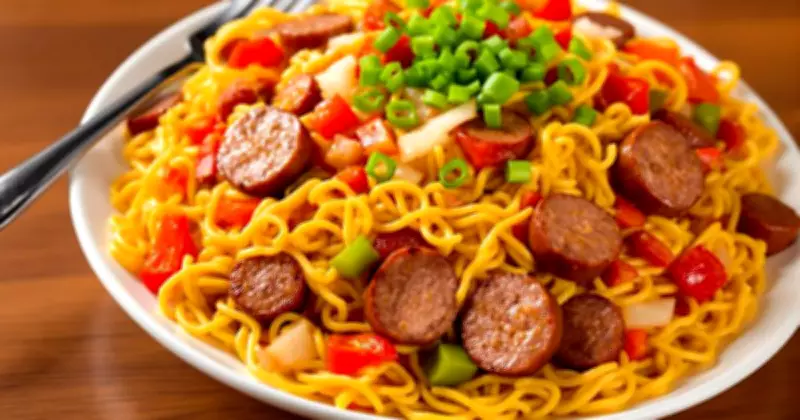
A quick bowl of noodles and sausages might be your go-to comfort meal, but the hidden sodium content could be quietly pushing your blood pressure into the danger zone. Are your favorite Nigerian meals acting as silent contributors to hypertension? From instant noodles to stock cubes, this article explores seven common foods that may be spiking your blood pressure and provides practical tips on how to make them healthier without sacrificing the beloved flavors.
The Silent Threat of Hypertension in Nigeria
Nigerian cuisine is rich, comforting, and deeply intertwined with daily life. From a quick plate of noodles to roadside suya at night, many of these meals are not just sustenance; they are part of our routine. However, as more Nigerians embrace fast, processed, and convenience foods, a growing health concern is quietly emerging in the background: high blood pressure.
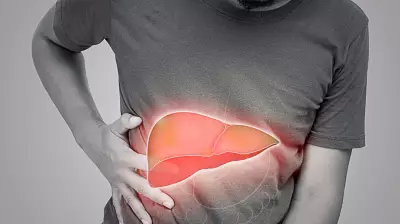
Hypertension often does not announce itself with obvious symptoms. There is typically no pain or clear warning signs, yet it remains one of the leading drivers of heart disease, stroke, and kidney failure in Nigeria. Medical professionals frequently refer to it as a "silent killer" for this very reason. Food plays a significant role in this health issue. This discussion is not about banning foods but rather about raising awareness. Many everyday Nigerian meals, especially modern, processed versions, contain high levels of salt, unhealthy fats, and preservatives. Over time, these ingredients accumulate and contribute to health risks.

Seven Nigerian Foods and Ingredients That May Elevate Blood Pressure
Stock Cubes and Seasoning Powders
A single stock cube can contain over 1,000 milligrams of sodium, making it one of the biggest contributors to high sodium intake in Nigerian cooking today. Stock cubes are used in almost everything, from jollof rice and soups to stews, beans, and fried rice. However, most people are unaware of how much sodium they contain. Health guidelines generally recommend that adults stay below 2,300 milligrams of sodium per day, with an even lower limit of around 1,500 milligrams for those at risk of hypertension. When two, three, or even five cubes are added to one pot, the sodium levels escalate rapidly.
Excessive sodium causes the body to retain water, increasing blood volume and putting more pressure on artery walls, thereby raising blood pressure. To mitigate this, consider the following alternatives:
- Gradually reduce the number of stock cubes you use, starting by cutting your usual amount in half.
- Incorporate natural flavor enhancers such as iru (locust beans), crayfish, garlic, ginger, and onions.
- Add more spices like curry, thyme, scent leaves, and turmeric to boost taste without extra salt.
Many traditional Nigerian meals actually relied less on cubes and more on these natural ingredients for flavor.
Instant Noodles
Instant noodles have become one of Nigeria's most common quick meals due to their affordability, speed, and convenience, especially among students and busy workers. The primary issue is not the noodles themselves but the seasoning packet. Most instant noodle seasoning sachets are loaded with sodium, monosodium glutamate (MSG), and artificial flavorings. A single serving can provide up to 70–80% of your daily sodium intake. Some individuals even add extra seasoning or combine multiple packs, further increasing salt consumption.
Additionally, many instant noodles are pre-fried during manufacturing, which adds unhealthy fats. For healthier options, try these adjustments:
- Use only half of the seasoning packet.
- Add vegetables like carrots, cabbage, or spinach to increase nutritional value.
- Enhance flavor with fresh pepper, onions, or garlic.
- Consider switching to whole-grain or low-sodium noodle options where available.
Even small changes here can significantly reduce salt intake.
Processed Meats (Sausages, Hot Dogs, Corned Beef)

Processed meats are among the highest sources of dietary sodium, with 100 grams often containing over 1,000 milligrams—nearly half the daily recommended limit. Common offenders include salami, bacon, sausage, and hot dogs. These meats are extremely common in Nigerian households, appearing in breakfast sausages, corned beef stews, and hot dog sandwiches due to their quick and convenient nature.
However, processed meats are preserved using high amounts of salt and chemicals like nitrates, which extend shelf life but also increase blood pressure risk when consumed frequently. Corned beef, in particular, tends to be very high in sodium. Better choices include:
- Eating processed meats occasionally rather than daily.
- Opting for fresh fish, eggs, or chicken as protein sources.
- Checking labels and selecting lower-sodium options when possible.
Fresh foods generally contain far less sodium than canned or processed meats.
Suya (Especially the Yaji Spice Mix)
Suya itself, which consists of grilled beef or chicken, is not the problem. The concern lies in the yaji spice mix. Yaji contains ground pepper, ginger, garlic, and other spices, but it also includes large amounts of salt and sometimes MSG. This combination gives suya its addictive flavor. When eaten frequently, the salt content can contribute to rising blood pressure.
To enjoy suya more healthily, consider these tips:
- Consume suya in moderation.
- Request less yaji when purchasing from vendors.
- Make homemade yaji with reduced salt to control sodium levels.
Many people are unaware of how salty suya seasoning actually is.
Deep-Fried Foods (Puff Puff, Fried Plantain, Akara)
These foods are ubiquitous in Nigeria, served as breakfast items, roadside snacks, party treats, and evening cravings. The risk comes from two main factors: the large amounts of oil used and the frequent reuse of cooking oil. Street vendors often reuse oil multiple times to fry items like puff puff, creating unhealthy fats that contribute to weight gain and heart disease. Extra weight itself increases blood pressure risk, and these foods are usually heavily salted.
Healthier adjustments include:
- Limiting how often you consume deep-fried foods.
- Trying baking or air-frying plantain and akara at home.
- Blotting excess oil with paper towels to reduce fat intake.
Even reducing the frequency of consumption can be beneficial.
High-Salt Snacks (Plantain Chips, Chin Chin, Salted Groundnuts)
These are often considered "mindless snacks," eaten in traffic, at work, or while watching television. Because they are consumed casually, people may not realize how much salt they are ingesting. A small pack of plantain chips, for example, can contain more sodium than expected.
Better snack options include:
- Choosing unsalted or lightly salted nuts.
- Eating fresh fruits as a healthier alternative.
- Checking labels on packaged snacks to monitor sodium content.
Small snacks throughout the day can quietly increase overall salt intake.
Canned Foods in Brine (Sardines, Mackerel)
Canned fish is convenient and nutritious, providing protein and omega-3 fatty acids. However, when preserved "in brine"—which is simply salt water—sodium levels rise significantly. To reduce sodium intake, consider these steps:
- Choosing fish canned in oil or spring water instead of brine.
- Rinsing fish preserved in brine before eating to wash away excess salt.
This simple step can help lower sodium consumption.
The Bigger Picture: Hypertension in Nigeria
High blood pressure is becoming increasingly common in Nigeria, particularly in urban areas. It is estimated to affect roughly 30–36% of adults, or over 27 million people, with cases surging among young adults. In addition to diet, other factors play a role, including stress, reduced physical activity, weight gain, and family history. Many individuals are unaware they have hypertension until complications arise, underscoring the importance of regular health checks. Knowing your blood pressure numbers early makes prevention more manageable.
The goal is not to stop enjoying Nigerian food but to achieve balance. By reducing salt where possible, eating more fresh foods, cooking at home more often, and making small adjustments, you can protect your heart over time. These incremental choices contribute to long-term health and well-being, allowing you to savor the rich flavors of Nigerian cuisine without compromising your health.