The Nigerian government allocates approximately N2.2 billion, equivalent to $150 million, each year for the procurement of vaccines used in routine immunisation programmes. This significant investment aims to protect children from deadly childhood diseases, ensuring widespread immunisation coverage across the nation.
Funding Sources and Partnerships
The funding for these vaccines is jointly provided by the Federal Government and through strategic partnerships with international donors, including the Gavi Vaccine Alliance. This collaborative effort underscores the commitment to bolstering public health infrastructure and safeguarding the well-being of Nigeria's younger population.
Primary Healthcare Facility Support
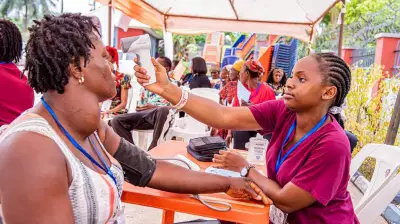
In addition to vaccine procurement, a substantial sum of N70.6 billion was disbursed between 2023 and 2025 to Primary Healthcare Facilities nationwide via the Basic Healthcare Provision Fund. This financial injection is designed to enhance service delivery and improve the overall quality of healthcare services available to communities.

Expansion of Healthcare Facilities
The National Primary Healthcare Development Agency (NPHCDA) is actively working to expand the number of Health Care Provision Fund-supported facilities from 8,309 to 13,512. Out of the targeted 5,200 additional facilities, approximately 3,789 have already been identified. The agency is currently engaging with state and local governments to ensure an equitable distribution of these facilities, promoting accessibility and fairness in healthcare provision.
Progress in Infrastructure and Service Utilisation
Dr Muyi Aina, the Executive Director of NPHCDA, revealed these details during the first quarter media briefing in Abuja for 2026. He reported that the agency has initiated work in over 4,113 Primary Healthcare Centres (PHCs), with infrastructure upgrades completed in 3,000 of these centres.
Dr Aina highlighted a notable increase in the utilisation of primary healthcare services across the country. General attendance has surged from 29 million per quarter in mid-2023 to 46 million by the fourth quarter of 2024, with even higher figures recorded in 2025. This upward trend reflects growing public confidence and reliance on primary healthcare systems.
Impact on Disease Control
Furthermore, Dr Aina emphasised the positive outcomes of these immunisation efforts, noting a 48 per cent reduction in circulating variant polio virus outbreaks between 2023 and 2025. This achievement underscores the effectiveness of sustained immunisation campaigns and the critical role of adequate funding in combating infectious diseases.
The ongoing initiatives by NPHCDA and its partners demonstrate a robust commitment to strengthening Nigeria's healthcare framework, ensuring that essential services reach all segments of the population and contribute to improved public health outcomes.