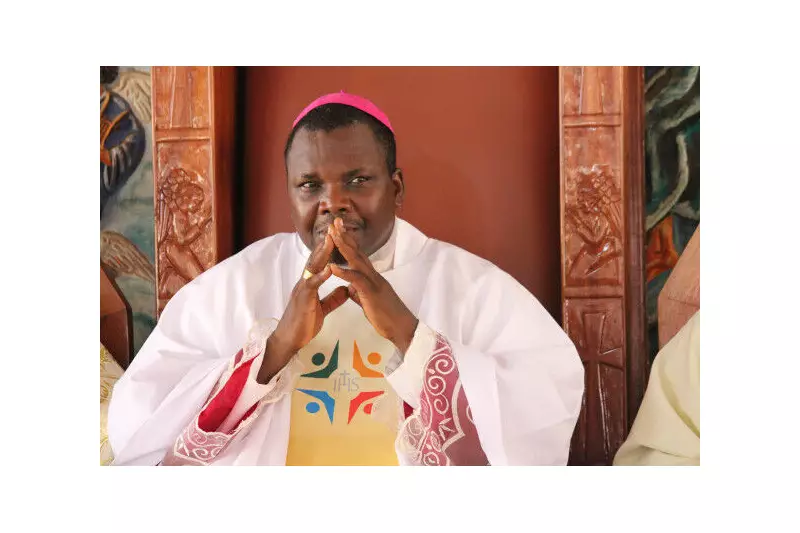
As Nigeria stepped into the year 2026, a prominent religious leader has issued a powerful call for national renewal grounded in moral integrity. Most Reverend Emmanuel Adetoyese Badejo, the Bishop of the Catholic Diocese of Oyo, delivered a New Year message urging citizens and leaders alike to return to the core values of honesty and faith.
A Foundation of Faith and Honesty for National Development
In his address released on 3 January 2026, Bishop Badejo emphasized that Nigerians, as a profoundly religious people, must actively follow the tenets of their respective faiths. He stated that this sincere practice is not merely a private duty but the essential bedrock for building a better nation. The Bishop expressed optimism that the New Year could bring fresh joy and transformation, but only if common energy is channelled towards this collective goal.
He argued that true adherence to religious principles would naturally foster the harmonious coexistence necessary for sustainable development. This, in turn, would enhance the quality of life for every citizen, creating a more just and peaceful society.

Applauding Policies, Demanding Accountability and Leadership Change
Bishop Badejo acknowledged efforts made by the Federal and some state governments, commending impactful policies in critical sectors. He specifically mentioned:
- Oil
- Agriculture
- Education
- Youth empowerment
- Finance
However, he issued a crucial caveat: policymakers must constantly monitor and optimize these initiatives. The intended benefits, he stressed, must translate into tangible improvements in the lives of ordinary Nigerians, moving beyond paper promises to real-world impact.
The Bishop's message took a firm stance against the political class, charging them to openly acknowledge the severe damage inflicted on the country by poor leadership. He described the current political environment as dangerous, citing specific examples heating up the polity:
- The chaos of frequent party defections.
- A proliferation of court cases.
- The ongoing fiasco surrounding the new tax regime law.
"Such an environment creates frustrations in the public and can be an incubator for truancy, banditry, and other crimes," Badejo warned. He presented a stark analysis, stating that the erosion of public trust through bad governance could become a self-inflicted coup if political leaders fail to become more reliable and trustworthy in the eyes of the people.
A Blueprint for Restoring Trust and Security
To reverse this decline, Bishop Badejo prescribed a clear path forward for the nation's leaders. He enjoined them to undergo a genuine change of heart, embracing transparency and honesty as non-negotiable virtues. These qualities, he asserted, are fundamental to rebuilding public trust and confidence.
His practical demands for the government included:
- Embarking on more people-oriented projects that directly address citizens' needs.
- Tackling the scourge of insecurity at all levels with greater determination and effectiveness.
Furthermore, he called for an end to the manipulation of religious sentiments for political gain, a practice he accused of needlessly dividing the populace along religious lines. To bridge the gap between the government and the governed, Bishop Badejo tasked national orientation and mobilization agencies with a vital role: to proactively inform and educate the public about their rights, duties, and the details of government policies and actions.
Ultimately, the Bishop's New Year message serves as both a moral compass and a pragmatic guide. It challenges every Nigerian—from the citizen in the pew to the politician in power—to contribute to a more honest, unified, and prosperous nation in 2026 and beyond.