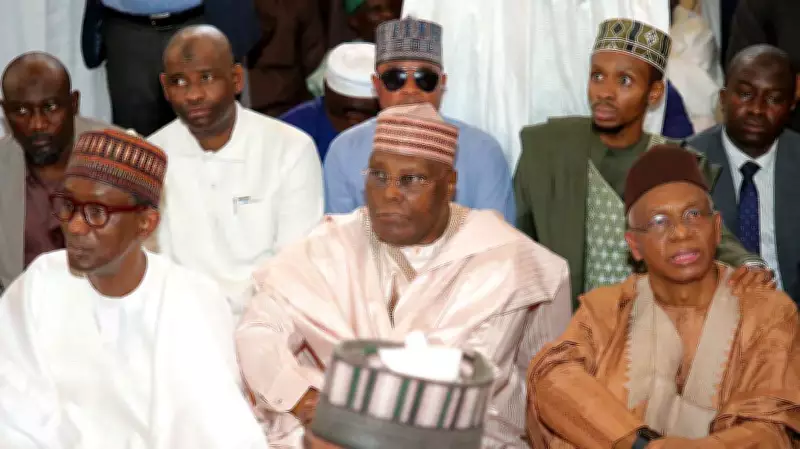
Court Denies Bail to Former Kaduna Governor Nasir el-Rufai, Orders Continued ICPC Custody
The Kaduna State High Court has delivered a significant ruling, denying the bail application of former governor Nasir el-Rufai and ordering him to remain in the custody of the Independent Corrupt Practices and Other Related Offences Commission (ICPC) until at least June. The decision came during a hearing on Tuesday, April 22, 2026, where the court cited concerns about potential interference with the ongoing investigation as the primary reason for the denial.
Judge's Ruling and Adjournment Details
Presiding judge Justice Darius Khobo announced the adjournment of the case to the first week of June, following extensive arguments from both the prosecution and defence teams. The court emphasized that the trial will proceed on a day-to-day basis at the next sitting, underscoring the seriousness of the allegations. El-Rufai faces a nine-count charge brought by the ICPC, which includes accusations of abuse of office, fraud, and various financial crimes during his tenure as governor.
Defence Counsel's Reaction and Legal Challenge
Defence counsel Ubong Akpan, a Senior Advocate of Nigeria (SAN), expressed strong dissatisfaction with the court's decision in a statement to journalists after the session. He criticized the judge's reasoning, particularly the assertion that el-Rufai, as a former governor, might interfere with the investigation. "The court in its wisdom decided that because Nasir el-Rufai is a former governor, he is going to interfere with the investigation. Therefore, he is not entitled to bail in an allegation of financial impropriety," Akpan stated. He confirmed that the defence team plans to challenge the ruling through appropriate legal avenues, potentially filing an appeal or seeking other judicial remedies.

Background of the Case and ICPC's Role
The ICPC had earlier arraigned el-Rufai on the nine-count charge, marking a high-profile case in Nigeria's anti-corruption efforts. The commission's involvement highlights the ongoing scrutiny of public officials and their financial activities. The court's decision to deny bail reflects a cautious approach, ensuring that the former governor remains available for the continuation of the trial without risk of obstruction. This development adds to the growing list of former state executives facing legal proceedings over alleged misconduct, signaling a broader push for accountability in governance.
As the case moves forward, all eyes will be on the Kaduna State High Court in June, where the day-to-day trial is expected to delve deeper into the specifics of the charges. The outcome could have significant implications for el-Rufai's political future and set a precedent for similar cases involving former public officials. For now, el-Rufai remains in ICPC custody, awaiting the next phase of legal proceedings in this closely watched corruption trial.