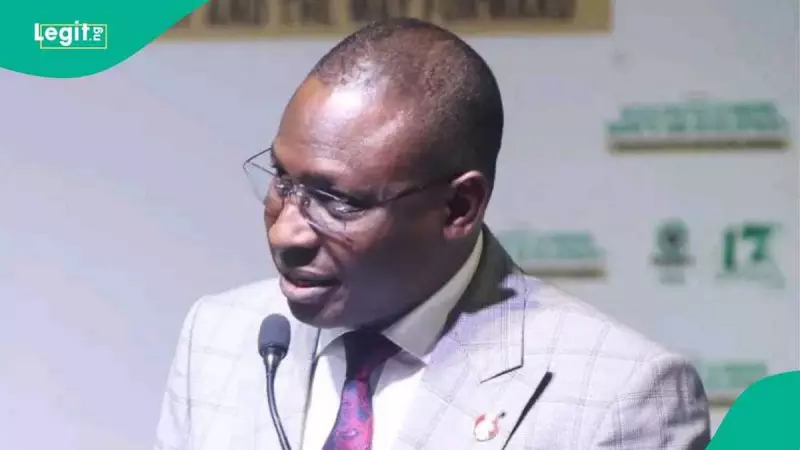
The Chairman of Nigeria's Economic and Financial Crimes Commission (EFCC), Ola Olukoyede, is facing intense pressure to step down from his position. The call for his resignation comes amidst serious allegations that the anti-corruption agency has deviated from its core mandate and is now operating with political bias.
Frank's Explosive Allegations Against the EFCC
In a strongly-worded statement issued on Wednesday, January 7, 2026, former Deputy National Publicity Secretary of the All Progressives Congress (APC), Comrade Timi Frank, launched a scathing attack on the commission's leadership. Frank accused the EFCC under Olukoyede of conducting itself in a manner that is inconsistent with the laws of the land.
He stated that the commission has brought shame and disrepute upon itself through what he described as selective prosecution and political bargaining. The political activist lamented that it has become difficult to distinguish between an independent crime-fighting body and an arm of the ruling party.

The Yahaya Bello Case and Questions of Integrity
A central point in Frank's criticism revolves around the commission's handling of the case involving former Kogi State governor, Yahaya Bello. Frank recalled that Olukoyede had once publicly threatened to resign if he was not given a free hand to prosecute Bello.
However, Frank alleged that after a visit to the Commission and another round of discussions, the case no longer enjoys the same urgency or prosecution vigour. He went further to accuse the EFCC of acting as Bello's defender, noting that the agency had publicly emphasised the former governor's presumption of innocence and eligibility to contest elections.
Broader Context of EFCC's Actions
The allegations of bias are not isolated. The statement references other high-profile cases that have raised eyebrows. Notably, EFCC investigators had previously linked properties worth over N200 billion to former Attorney-General, Abubakar Malami. These assets were allegedly traced through Paris Club refunds, unpaid CBN loans, and commissions from Abacha loot recoveries.
The anti-graft agency had claimed that kickbacks, duplicated legal fees, and unreturned public funds were central to this asset trail. Malami, however, denied any wrongdoing, labelling the investigation as political persecution.
Frank's broad accusation is that the EFCC has abandoned its constitutional mandate and is now functioning primarily as a political instrument for the ruling party, thereby eroding public trust in Nigeria's foremost anti-corruption institution.