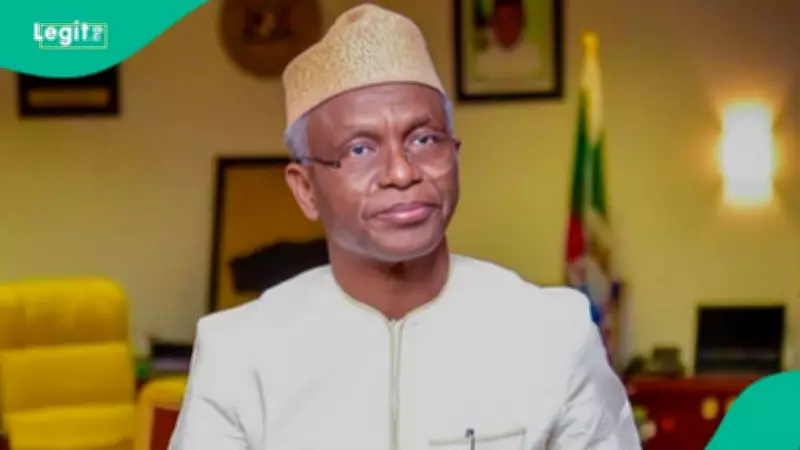
ICPC Recovers Surveillance Equipment and Sensitive Documents from El-Rufai's Abuja Residence
The Independent Corrupt Practices and Other Related Offences Commission (ICPC) has made significant recoveries from the Abuja residence of former Kaduna State Governor Nasir El-Rufai, including electronic surveillance equipment and classified security documents. The operation, conducted under a valid search warrant, represents a major development in the ongoing corruption investigation against the former governor.
Court-Authorized Search Operation Details
According to court documents filed by ICPC litigation officer David Efuk, the commission executed a search warrant on February 19, 2026, at No. 12 Mambila Street, Aso Drive in Abuja's Asokoro District. The operation was conducted in the presence of El-Rufai's wife, Hadiza Isma El-Rufai, and his son, Mohammed Bello El-Rufai, ensuring proper procedural compliance.
The recovered items include electronic magnetic equipment allegedly capable of tapping conversations and sensitive security documents belonging to various government security agencies. These discoveries have raised serious questions about potential security breaches and unauthorized surveillance activities.

Legal Basis for El-Rufai's Detention
The ICPC has obtained a 14-day remand order from a Magistrate Court in Bwari, Abuja, allowing the commission to detain the former governor while investigations continue. The order, which expires on March 5, 2026, was granted to facilitate thorough investigation of multiple corruption allegations.
The commission has emphasized that El-Rufai's detention follows due legal process and does not constitute arbitrary detention or violation of his fundamental rights. The ICPC maintains that the remand order was properly obtained through judicial channels and serves the public interest in combating corruption.
Specific Allegations and Financial Irregularities
The anti-corruption agency has outlined several serious allegations against the former governor, including:
- Questions surrounding the whereabouts of €1.4 million in state funds
- 180 separate payments totaling over N2.15 billion from Kaduna State's Consolidated Revenue Account
- Transfers to undisclosed accounts amounting to more than N428 million
- Suspicious foreign currency withdrawals and financial transactions
These allegations form part of a broader investigation into financial irregularities during El-Rufai's tenure as Kaduna State governor from 2015 to 2023.
El-Rufai's Response and Political Context
In his sworn statement to the ICPC, Nasir El-Rufai has denied all wrongdoing and characterized the investigation as politically motivated. The former governor, who is a leading member of the African Democratic Congress (ADC), claims his opposition party affiliation makes him a target for persecution.
"I am a leading member of the African Democratic Congress, which I consider the only surviving opposition party in Nigeria, and that is the real reason I am being investigated," El-Rufai stated in his affidavit.
The former governor has exercised his right to remain silent during questioning, stating he will only address the allegations in a formal court setting. His legal team has advised this approach, citing concerns about procedural fairness and potential political motivations behind the investigation.
Additional Investigation Challenges
The ICPC has reported additional complications in their investigation, including:
- An aide connected to the case has allegedly left the country
- Another potential witness has requested protection from the commission
- El-Rufai's refusal to grant consent for forensic examination of recovered electronic equipment
- Previous admissions by El-Rufai on national television regarding telephone surveillance activities
The commission alleges that El-Rufai previously admitted to tapping the telephone conversations of National Security Adviser Mallam Nuhu Ribadu, though this claim requires further investigation and verification.

Broader Implications and Public Interest
This case represents a significant test of Nigeria's anti-corruption framework and has attracted substantial public attention. The recovery of surveillance equipment from a former governor's residence raises serious questions about privacy rights, security protocols, and potential abuse of power.
The ICPC has urged the court to dismiss El-Rufai's fundamental rights suit, arguing that allowing the investigation to proceed serves the public interest in combating corruption and ensuring accountability among public officials. The commission maintains it is acting on legitimate petitions alleging corrupt practices during El-Rufai's tenure as governor.
As the investigation continues, this case will likely have significant implications for Nigeria's political landscape, anti-corruption efforts, and public trust in government institutions. The coming weeks will be crucial as the ICPC works to substantiate its allegations while El-Rufai's legal team prepares its defense strategy.