INEC Chairman Calls for Anti-Corruption Agencies' Vigilance Against Electoral Malpractice
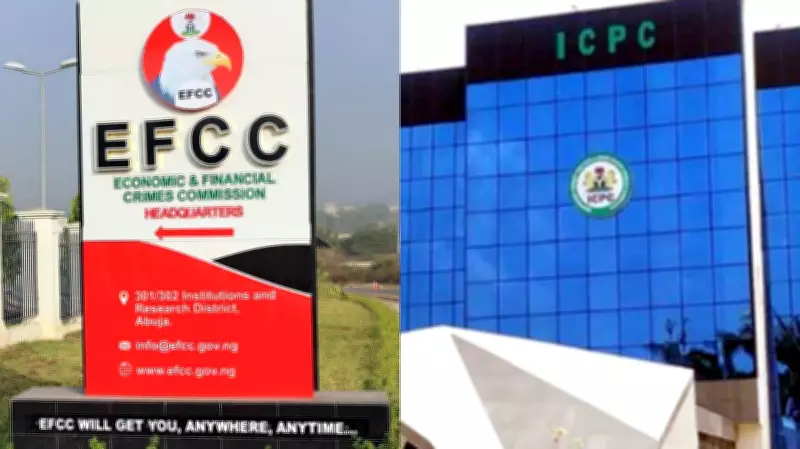
Professor Joash Amupitan, the Chairman of the Independent National Electoral Commission (INEC), has issued a strong directive to anti-corruption and security agencies to intensify their efforts in combating vote buying and what he termed "vote trading" in the lead-up to forthcoming elections. During a significant meeting with the National Peace Committee, Amupitan emphasized that the Economic and Financial Crimes Commission (EFCC), the Independent Corrupt Practices Commission (ICPC), and the Nigeria Police Force have been placed on high alert to curb these electoral offenses.
Specific Mandate to Security Agencies
"We specifically charged the Nigeria Police, the EFCC, and also the ICPC to be on guard so that we can arrest the menace of vote buying and what some people call 'vote trading,'" Amupitan stated. He highlighted that INEC is committed to acting promptly on security intelligence and risk assessments provided by the Peace Committee, particularly for the upcoming Federal Capital Territory (FCT) Area Council elections scheduled for February 21, 2026.
The INEC chairman acknowledged the valuable information presented by the committee, assuring that it would not be taken for granted. "You have presented to us a very great piece of information. We are not going to take it for granted. We are going to be sharing this with our security department so that we can at least take this information and take the necessary steps that we are supposed to take," he explained.

Focus on High-Risk Areas
Amupitan disclosed that certain area councils would receive enhanced scrutiny based on concerns raised. The Abuja Municipal Area Council (AMAC), alongside Bwari and Kuje Area Councils, has been identified for special attention. He described the Peace Accord signed by political parties as a binding social contract and noted that the activities in 2026 are critical for preparations leading to the 2027 general election. "It regards 2026 as our preparatory year for the 2027 general election," he told the delegation.
Peace Committee's Commitment and Findings
Reverend Father Atta Barkindo, who led the Peace Committee delegation, apologized for the delay in formally engaging with the new INEC leadership and pledged ongoing collaboration. "We want to assure the new INEC Chairman that the National Peace Committee is available, open and accessible to working with the Commission—ensuring that the elections that will happen, the Area Council elections, the governorship elections, future state elections, ahead of the 2027 general elections—we are fully behind the Commission to give the Commission all the necessary support and strategic guidance that will be required," Barkindo affirmed.
He detailed that the committee's Election Security and Information Hub has established extensive field networks across states to collect data on insecurity, violence, and conflict trends, ensuring that interventions are evidence-based. The Peace Committee identified AMAC, Gwagwalada, Bwari, and Kuje as potential hotspots requiring heightened vigilance.
Specific Concerns in Identified Hotspots
- AMAC: Concerns over vote buying and threats among political actors.
- Gwagwalada: Indigene-settler tensions and political thuggery.
- Bwari: Farmer-herder conflicts and kidnapping incidents.
- Kwali: Security vulnerabilities due to instability in neighboring states.
The committee emphasized that its monitoring framework tracks both pre-election violence that could impact the electoral process and electoral offenses in alignment with the Peace Accord. This comprehensive approach aims to safeguard the integrity of upcoming elections and ensure a fair democratic process.