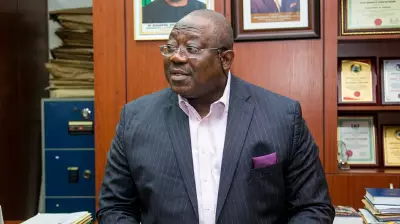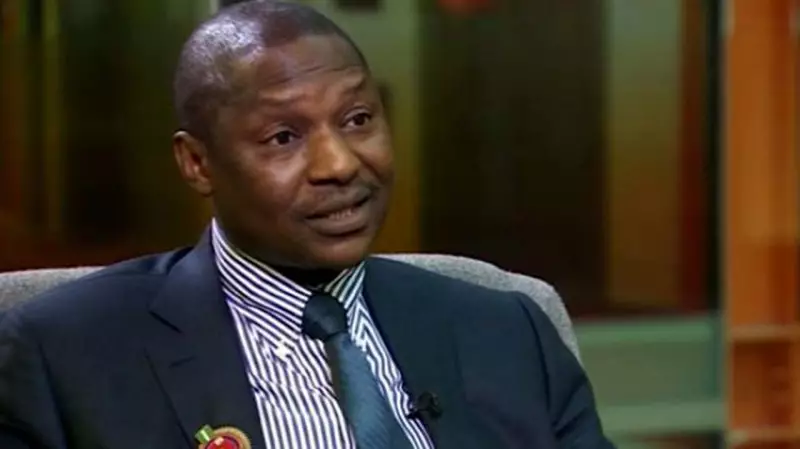
A Federal High Court in Abuja has scheduled a crucial ruling on the bail applications of former Attorney-General of the Federation, Abubakar Malami, his wife, and their son, who are facing serious money laundering charges.
Judge Fixes Date After Legal Arguments
Justice Emeka Nwite announced that the ruling will be delivered on January 7, 2026. This decision came after both the defence and prosecution teams presented their final arguments on Friday.
The defence counsel, Joseph Daudu, SAN, argued in favour of granting bail to the defendants. Opposing him, the Economic and Financial Crimes Commission's lawyer, Ekele Iheanacho, SAN, urged the court to deny their applications.

Details of the EFCC's Charges
The EFCC filed the charges under case number FHC/ABJ/CR/700/2025. The first defendant is the former minister, Abubakar Malami, SAN. His wife, Hajia Bashir Asabe, is the second defendant, while their son, Abubakar Abdulaziz Malami, is listed as the third defendant.
The anti-graft agency accuses the trio of a complex scheme to conceal the illegal origin of billions of naira. The alleged methods include:
- Conducting various suspicious financial transactions.
- Using bank accounts to hide the source of funds.
- Acquiring properties in Abuja, Kano, and Kebbi states.
Alleged Crimes Span a Decade
The commission claims the offences took place between 2015 and 2025. This period covers the eight years when Malami served as the nation's chief law officer under former President Muhammadu Buhari's administration.
The EFCC's case centres on the allegation that Malami, his son, and his wife conspired to disguise the origin of funds. They are also accused of indirectly acquiring property and retaining sums they allegedly knew were the proceeds of unlawful activity.
These actions, according to the charge sheet, violate the Money Laundering (Prohibition and Prevention) Acts of 2011 (as amended) and 2022. The upcoming ruling on January 7 will determine whether the defendants will remain in custody or be released on bail as their trial proceeds.