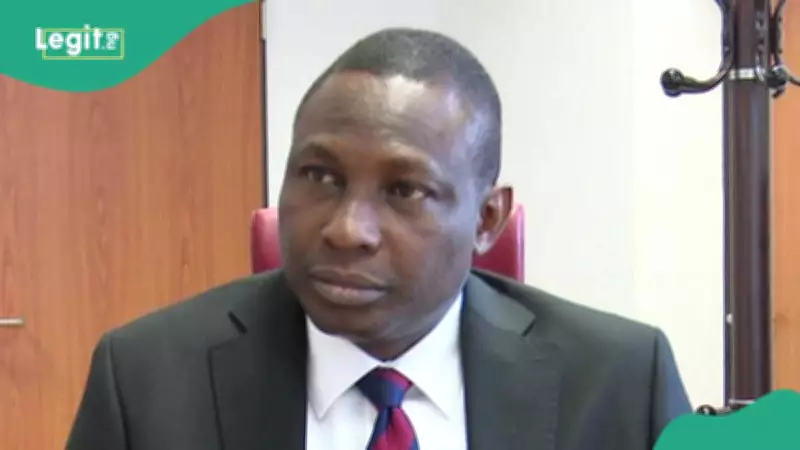
Supreme Court Delivers Final Verdict in N240m Corruption Case
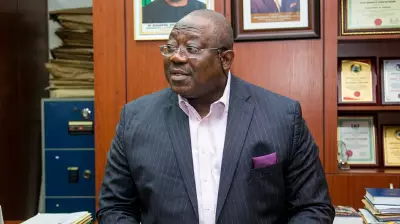
The Supreme Court of Nigeria has delivered a definitive judgment in a high-profile corruption case, affirming the conviction and seven-year prison sentence of former Senator Albert Bassey. In a landmark ruling on Friday, February 27, 2026, the apex court also restored a restitution order requiring the return of N204 million to Akwa Ibom State government coffers.
Judicial Panel Upholds Lower Court Decisions with Correction
Justice Stephen Jonah Adah, delivering the unanimous judgment of the five-member panel, affirmed the earlier decisions of both the trial court and Court of Appeal regarding Bassey's conviction and sentencing. However, the Supreme Court corrected a significant omission by the appellate court, reinstating the crucial restitution order that had been part of the original trial court judgment.
The judicial panel concluded that the Court of Appeal had erred in avoiding the restitution order, stating that this departure from the trial court's directive did not follow established legal principles. Justice Adah declared: "The order of this court is that the conviction and sentencing imposed by the lower court on June 23, 2023, on the appellant is hereby affirmed. However, the order of the lower court avoiding the order of restitution given by the trial court did not follow the law, so it is revised and the right order is to nullify same, thereby restoring the restitution of N204 million made by the trial court."

Origins of the Corruption Case
The legal proceedings against Bassey originated from his prosecution by the Economic and Financial Crimes Commission (EFCC) for corruption offenses committed during his tenure as Commissioner for Finance in Akwa Ibom State. The prosecution, led by Ekele Iheanacho SAN, presented evidence before Justice Agatha Okeke of the Federal High Court in Uyo, detailing how Bassey had received bribes totaling N254 million in the form of twelve luxury vehicles.
On December 1, 2022, Justice Okeke convicted Bassey on all seven counts brought against him, sentencing him to seven years imprisonment for each charge. While these sentences were to run concurrently rather than consecutively, the conviction marked a significant victory for anti-corruption efforts in Nigeria.
Appellate Journey and Final Resolution
Following his initial conviction, Bassey appealed to the Court of Appeal, where a three-member panel led by Justice Rapheal Chikwe Agbo upheld the conviction but introduced an option of fine that had not been part of the original judgment. This appellate decision was subsequently challenged, leading to the Supreme Court's comprehensive review and final determination.
The Supreme Court's ruling represents the culmination of a protracted legal battle that has spanned multiple judicial levels and several years. By affirming the conviction while correcting the appellate court's omission regarding restitution, the apex court has reinforced both the punitive and restorative aspects of justice in corruption cases.
Broader Context of Anti-Corruption Efforts
This judgment comes at a time when Nigeria continues to confront systemic corruption across various levels of government. The EFCC, as the primary anti-corruption agency, has pursued numerous high-profile cases, with this particular conviction representing a significant achievement in holding former public officials accountable for financial misconduct.
The restoration of the N204 million restitution order is particularly noteworthy, as it emphasizes not only punishment for wrongdoing but also the recovery of public funds. This aspect of the judgment sends a clear message about the judiciary's commitment to ensuring that corruption does not pay and that stolen resources must be returned to the public treasury.
As Nigeria continues its anti-corruption campaign, this Supreme Court decision establishes important legal precedents regarding the handling of restitution orders in corruption cases and reinforces the judiciary's role as a crucial check on executive and legislative misconduct.