ADC Adamawa Faction Suspends Atiku Abubakar and Babachir Lawal
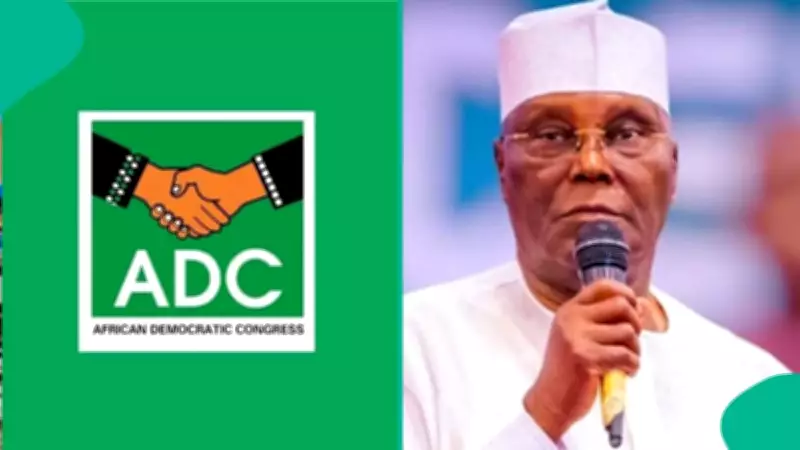
In a dramatic political development, the African Democratic Congress (ADC) in Adamawa State has witnessed a significant internal upheaval as a faction led by Raji Sulaiman Zumo announced the suspension of former Vice President Atiku Abubakar from the party. The factional chairman also confirmed the suspension of former Secretary to the Government of the Federation (SGF), Babachir Lawal, who hails from the same state.
Deepening Leadership Crisis Within ADC
The ADC has been grappling with a severe leadership crisis, with two distinct camps vigorously asserting their claims to control the party's national structure. This internal conflict has escalated to the point of court interventions and administrative confusion, leaving uncertainty about which faction legitimately holds authority over the ADC's national operations.
The situation intensified when the Independent National Electoral Commission (INEC) officially derecognized David Mark as the national chairman of the ADC in its records. Party leaders have strongly criticized the electoral body and organized protests against this decision, alleging external interference in their internal affairs.

Allegations of Political Manipulation
ADC officials have accused the ruling All Progressives Congress (APC) and President Bola Tinubu of orchestrating INEC's move to derecognize the Mark faction. These allegations suggest a calculated effort to destabilize the opposition party ahead of future electoral contests. However, INEC, the APC, and the presidency have all categorically denied any involvement in the ADC's internal disputes.
Amid this turbulent backdrop, the Zumo faction in Adamawa emerged, taking decisive action by suspending both Atiku Abubakar and Babachir Lawal. The announcement was captured in a video that has since gained traction on social media platforms, highlighting the faction's determination to assert its authority within the party's regional structure.
Broader Implications for Nigerian Politics
This suspension marks a critical juncture for the ADC, reflecting broader challenges within Nigeria's political landscape where internal party conflicts often intersect with external pressures. The move against high-profile figures like Atiku Abubakar underscores the factional struggles that can reshape party dynamics and influence electoral strategies.
The ongoing crisis within the ADC raises important questions about party cohesion, leadership legitimacy, and the role of electoral bodies in mediating internal disputes. As the situation continues to evolve, stakeholders are closely monitoring developments that could impact the party's viability in upcoming elections and its position within Nigeria's opposition framework.