Deputy Spokesperson Breaks Silence on Electoral Bill Clash, Defends Walkout as Parliamentary Practice
The Deputy Spokesperson of the House of Representatives, Philip Agbese, has addressed the recent walkout by opposition lawmakers during deliberations on the Electoral Amendment Bill, describing it as a standard parliamentary practice rather than a sign of democratic instability. Agbese emphasized that such actions are common in legislatures worldwide and serve as a legitimate means for lawmakers to express strong disagreement on critical national issues.
Walkout Triggered by Failed Amendment on Electronic Transmission
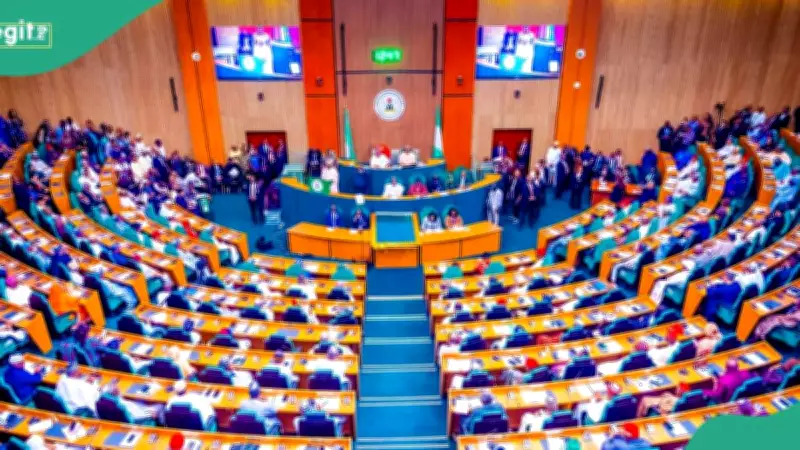
The protest occurred during a plenary session when members of the minority caucus staged a walkout following the failure of an amendment proposed by Bamidele Salam (PDP, Osun). Salam's amendment sought to mandate compulsory electronic transmission of election results to the Independent National Electoral Commission (INEC) Result Viewing (IReV) portal, while eliminating provisions for manual transmission in cases of network or communication failures. When the proposal was subjected to a voice vote and did not pass, opposition lawmakers left the chamber in protest.
Agbese Clarifies House Position on Electronic Transmission
In an interview in Abuja, Agbese clarified the House's stance on Clause 60(3) of the Electoral Amendment Bill 2026. He confirmed that lawmakers approved mandatory electronic transmission of Form EC8A results to the IReV portal to enhance transparency and accurately reflect votes cast. However, he noted that safeguards were included to allow for manual transmission in exceptional situations where electronic methods are not feasible, ensuring the process remains inclusive and practical.

Unity Amid Differences and Commitment to Democratic Engagement
Agbese stressed that differences of opinion among lawmakers do not undermine the legislature's commitment to democracy or the interests of Nigerians. He explained that intense debates, disagreements, and symbolic protests like walkouts are hallmarks of a vibrant parliament and should not be misinterpreted as institutional failure. "Walkouts are part of standard parliamentary practice globally. They are used by lawmakers to express firm opposition to decisions they do not align with," he stated, urging the public to view such events as healthy democratic interactions rather than crises.
Leadership Engages Stakeholders for Transparent Reforms
Agbese added that the leadership of the House of Representatives is actively consulting with stakeholders to address contentious issues surrounding electoral reforms in a transparent manner, in line with constitutional provisions. He reiterated the House's focus on its core duties of lawmaking, representation, and oversight, assuring Nigerians that the institution remains dedicated to resolving matters through proper legislative procedures.
He concluded by highlighting that disagreements are inevitable in a legislature that reflects Nigeria's diverse political, regional, and ideological landscape, but they do not detract from the overall goal of strengthening democratic processes.