Atiku and Makinde Engage in Closed-Door Talks with Former President Babangida in Minna
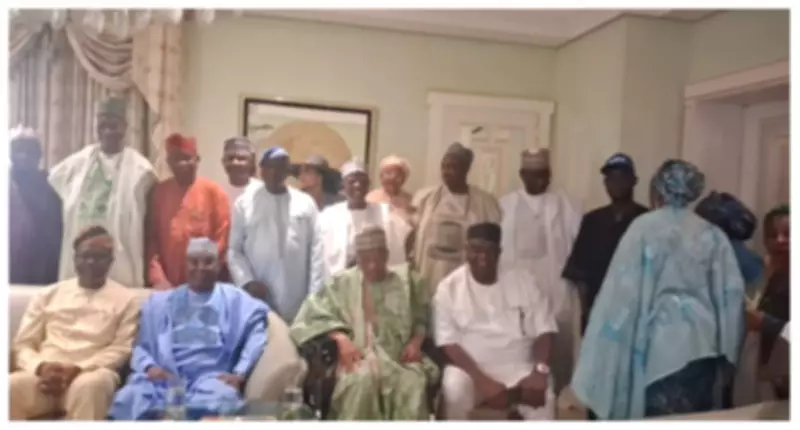
In a significant political development, former Vice President Atiku Abubakar and Oyo State Governor Seyi Makinde convened a private meeting with former Military President Ibrahim Babangida at his residence in Minna, Niger State, on Tuesday, February 10. The high-profile gathering, which attracted considerable attention from political observers, was described as a strategic engagement aimed at bolstering opposition structures and addressing critical electoral issues.
Atiku Emphasizes Electoral Transparency Over Presidential Ambitions
Addressing journalists after the meeting, Atiku Abubakar clarified that his visit was primarily focused on strengthening the organizational framework of the African Democratic Congress (ADC) in Niger State, rather than advancing any personal political aspirations for the 2027 presidential election. "At this point, this is not about me contesting elections. It is about Nigerians who want electronic transmission of election results," Atiku stated emphatically.
He elaborated that his discussions centered on the growing public demand for real-time electronic transmission of election results, which he argued would significantly enhance transparency and minimize post-election disputes. "The preference of Nigerians is clear. They want real-time electronic transmission of results. What we have now is a mixture of electronic and manual uploading, which only causes confusion and chaos," he remarked, highlighting the perceived shortcomings of the current electoral process.

Criticism of Electoral Act and Call for Opposition Unity
Atiku expressed strong criticism of the amended Electoral Act, describing the blending of electronic and manual processes as a source of uncertainty during elections. He urged opposition political parties to unite in challenging the Senate's stance on the transmission of results. "We need all opposition political parties to pursue this issue. We should not allow it to rest the way they want it to rest at the Senate," he asserted, calling for collective action to push for electoral reforms.
ADC Membership and Grassroots Mobilization Efforts
The former vice president confirmed his membership in the ADC and outlined the party's strategy for grassroots mobilization across Nigeria. "I am a member of the ADC, and we are working to ensure our structures are firmly rooted from the ward level to local government, state, and national levels. We are mobilising and registering members across the country," Atiku added, signaling a concerted effort to expand the party's influence nationwide.
Although specific details of his conversation with Babangida were not disclosed, Atiku noted that this was not his first visit to the elder statesman, suggesting an ongoing dialogue between the political figures.
Makinde's Private Visit and Meeting Logistics
Governor Seyi Makinde declined to speak with journalists following the meeting. Reports indicated that he remained inside Babangida's residence after Atiku's departure, with sources describing his visit as private in nature. The timing of the arrivals added to the intrigue of the event: Atiku arrived in Minna at approximately 1:30 p.m., proceeding directly from the airport to Babangida's hilltop residence, while Makinde arrived later at around 2:10 p.m., about 30 minutes after Atiku had left.
Accompanying Delegation and Political Implications
Atiku was accompanied by a notable delegation of ADC leaders and stakeholders, including:
- Rivers State ADC governorship aspirant Baba Agaie
- Former Osun State Governor Olagunsoye Oyinlola
- Senator Ben Obi
- Senator Ozemina from Edo State
- Niger State ADC Chairman Musa Hassan
- Other party officials
This gathering underscores the ongoing realignments within Nigeria's political landscape, as key figures engage in discussions that could shape future electoral dynamics and opposition strategies. The focus on electronic transmission of results reflects broader concerns about electoral integrity and the need for systemic reforms to ensure free and fair elections in the country.