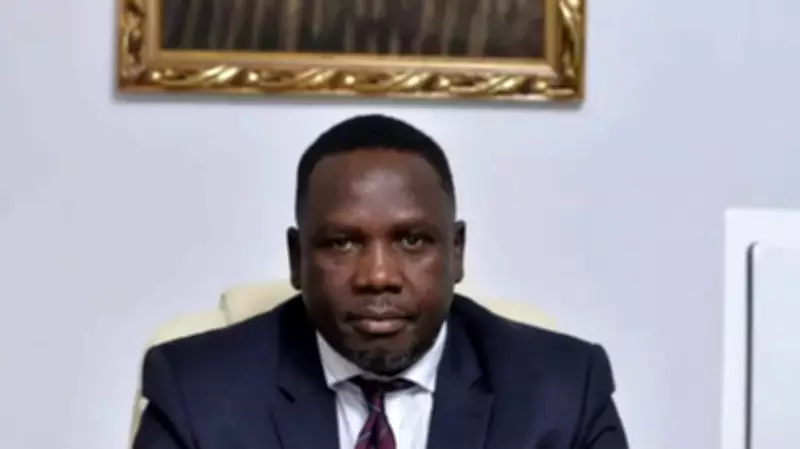
Presidential Adviser Raises Alarm Over Alleged Political Party Privatization
Special Adviser to President Bola Tinubu on Policy Communication, Daniel Bwala, has issued a stark warning regarding what he describes as a concerted effort to privatize Nigeria's political parties. In a recent social media post, Bwala asserted that individuals who previously attempted to privatize the African Democratic Congress (ADC) are now targeting the Peoples Redemption Party (PRP).
Bwala's Direct Accusation on Social Media
Taking to his X account, Bwala wrote, "After failed privatised ADC, I am hearing they are planning to go and privatize PRP and run on that platform. Privatisation without due process equals disintegration." While the presidential adviser did not specify the identities of those allegedly involved in this scheme, his statement has ignited significant political discourse across Nigeria's political landscape.
Background: ADC and Foreign Interference Allegations
This latest development follows Bwala's previous criticism of the African Democratic Congress, where he accused the opposition party of importing foreign interference into Nigeria's electoral processes. In another social media post, Bwala mocked the ADC's apparent lack of preparation for the upcoming 2027 general elections, suggesting that foreign governments with diplomatic missions in Nigeria should recognize this deficiency.

Bwala elaborated, "The opposition members under the umbrella of ADC know quite well that they are not ready for the election since all of them want to be president; they have now resorted to importing foreign interference into our elections by alleging one party state, as if the foreign governments don't have their embassies and commissions here in Nigeria to know the lack of preparedness of the ADC. Association of party-grabbing elements."
Broader Political Context and Reactions
The controversy extends beyond Bwala's statements, touching on broader concerns about Nigeria's democratic framework. Former presidential candidate Peter Obi recently voiced apprehension about Nigeria potentially becoming a one-party state, stating, "We are saying that our democracy must not be killed. We say NO to a one-party system, and for that, today, we're calling out Nigerians who believe in unity, peace, and security of our country to join us as we defend democracy in our land."
This declaration prompted a sharp response from Olusegun Dada, Special Assistant to President Bola Tinubu on Social Media, who characterized Obi's agenda as "dead on arrival." Dada countered, "Mr Obi, there are 21 registered political parties by INEC in Nigeria as of today. Almost half of these parties have elected representatives in both national and sub-national governments in Nigeria. The party on whose back you contested still has elected representatives in the national assembly and controls Abia State. Your attempt to paint Nigeria as a one-party state because of the self-inflicted shot to leg of your current political SPV (The ADC) is an insult to every sensible Nigerian."
Implications for Nigeria's Political Future
The exchange highlights several critical issues facing Nigeria's political environment:
- The integrity of political party structures and potential manipulation
- Allegations of foreign interference in domestic electoral processes
- Concerns about democratic consolidation versus one-party dominance
- Preparations and readiness for the 2027 general elections
As Nigeria approaches another election cycle, these debates about party privatization, foreign influence, and democratic safeguards are likely to intensify. Bwala's warnings about the PRP following the ADC controversy suggest ongoing tensions within Nigeria's opposition landscape that could significantly impact the country's political trajectory in the coming years.