Catholic Bishops Demand Real-Time Election Results Transmission in Nigeria
The Catholic Bishops' Conference of Nigeria (CBCN) has issued a strong appeal to the National Assembly, urging lawmakers to prioritize electoral reforms that would make real-time transmission of election results mandatory. This call was made during the opening session of the CBCN's 2026 first plenary meeting, held at the Catholic Secretariat of Nigeria in Abuja.
Declining Voter Participation Raises Alarm
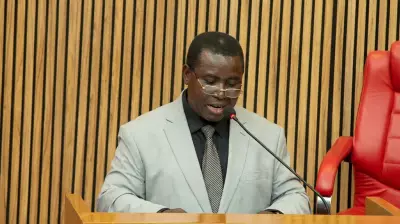
Archbishop Lucius Ugorji, the outgoing President of CBCN and Archbishop of Owerri, delivered the address under the theme "The Common Good and Leadership in Nigeria." He expressed deep concern over the sharp decline in voter participation across the country. Archbishop Ugorji highlighted that voter turnout has plummeted from 69 percent in 2003 to a historic low of 23 percent in 2023.
"This decline says a lot about citizens' trust in the electoral process and calls into question the legitimacy of elected officials in a democratic dispensation with the mandate of an ever-decreasing minority," Ugorji stated. He emphasized that this trend undermines the democratic foundation of Nigeria and requires immediate legislative action to restore public confidence.

Urgent Call for Electoral Reforms
To address this crisis, Archbishop Ugorji proposed that the National Assembly amend the Electoral Act to explicitly mandate the real-time transmission of results from the Bimodal Voter Accreditation System (BVAS) at polling units directly to the Independent National Electoral Commission's Result Viewing (IReV) portal. He argued that such a provision is essential to "prevent any human tampering with the expressed will of the electorate."
Ugorji criticized what he perceived as inconsistency in legislative priorities, noting that while the 2025 Tax Act mandates digital filing and record-keeping, similar digital transparency measures are being diluted in the electoral sphere. "The honourable members of the NASS should not allow themselves to be perceived as talking out of both sides of the mouth. The world is watching! Above all, God is also watching," he warned, urging lawmakers to align their actions with the principles of transparency and accountability.
Broader Concerns on Insecurity and Economy
Beyond electoral issues, Archbishop Ugorji addressed other pressing national challenges. He expressed grave concern over rising insecurity, describing recent killings in parts of the country, including Kwara State, as "senseless massacres." Additionally, he decried the economic impact of illegal mining, which he said costs Nigeria an estimated nine billion dollars annually, highlighting the need for stronger regulatory measures to protect national resources.
Emphasis on Servant Leadership
At the same event, former Director-General of the National Orientation Agency and chairman of the occasion, Mike Omeri, challenged political leaders to adopt a model of "servant leadership." He argued that this approach is crucial for narrowing the widening gap between the rich and the poor and promoting the common good in Nigeria. Omeri's remarks underscored the broader theme of ethical governance and leadership accountability discussed during the plenary session.
The CBCN's call for electoral reforms comes at a critical time, as Nigeria continues to grapple with issues of democratic integrity and public trust. The bishops' advocacy for real-time results transmission aims to enhance transparency, reduce electoral malpractice, and encourage greater voter participation in future elections.