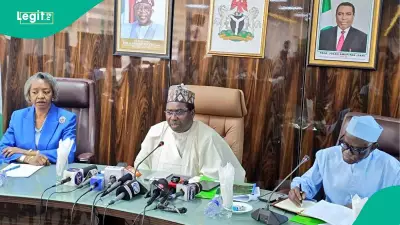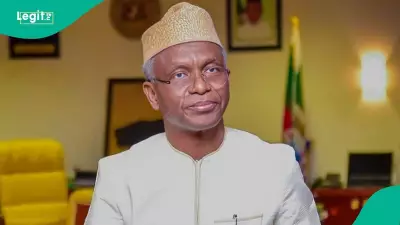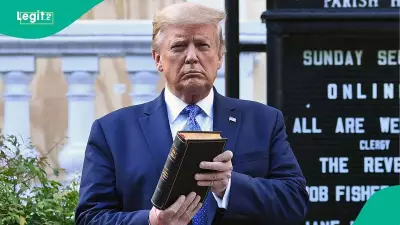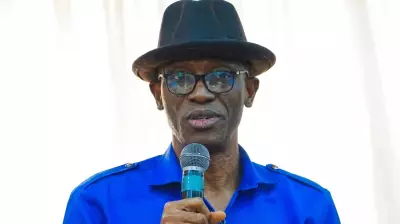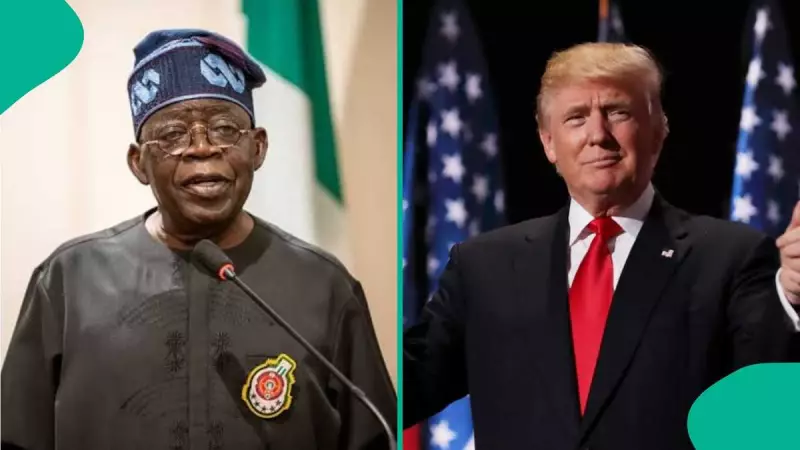
Political strategists and influential figures from Northern Nigeria have initiated crucial discussions on the potential replacement of Vice President Kashim Shettima as President Bola Tinubu's running mate for the 2027 general elections. This significant political development, reported on January 19, 2026, is said to be influenced by pressure from the United States government under President Donald Trump.
US Influence and the Religious Balance Question
The move is reportedly a direct response to concerns raised by the current US administration regarding Nigeria's religious harmony at the highest level of power. The Trump government believes Nigeria needs a symbol of religious balance, not just regionally but at the apex of national leadership. This scrutiny revisits the controversy surrounding President Tinubu's decision to run with Shettima on a Muslim-Muslim ticket in the 2023 presidential election, a choice that initially faced strong opposition from some Christian leaders across the country.
Although the tension from that ticket subsided after extensive campaigns highlighting Tinubu's commitment to religious tolerance, the issue has been reignited. A source within the northern political establishment revealed that while the US might be using "the symbolism of religious balance to hide its true intentions", the northern political class is taking the discussion seriously and conducting a proper analysis.

Potential Candidates and the Rejection of Bishop Kukah
Among the names initially tabled as a potential Christian replacement for Shettima was the respected Bishop of the Sokoto Catholic Diocese, Bishop Mathew Hassan Kukah. However, stakeholders within the northern political establishment have reportedly rejected his candidacy. The rejection was not based on any prior holding of political office but on his recent high-profile role as a member of the National Peace Committee and his outspoken stance on national issues.
The consensus was that Bishop Kukah is already viewed as a statesman, and placing him in a direct political office like the Vice Presidency could limit his broader contributions to nation-building. Following this, other Christian names have emerged for consideration.
Other Contenders and the Broader Political Landscape
The list of other individuals being analyzed includes General Christopher Musa, the current Minister of Defence, and Professor Nentawe Yilwatda, the National Chairman of the ruling All Progressives Congress (APC). This political maneuvering occurs against a backdrop of heightened US-Nigeria relations, marked by a recent US military operation in Sokoto targeting terrorist hideouts, an operation whose effects were felt in neighbouring states like Niger and Kwara.
Simultaneously, President Tinubu's political engagements continue, as evidenced by his recent meeting with Kano State Governor Abba Kabir Yusuf. This meeting fueled speculation about Governor Yusuf's potential defection from the NNPP to the APC, although NNPP leader Rabiu Kwankwaso has denied endorsing any such move. APC leaders, however, see a potential defection as a significant political gain ahead of the 2027 polls.
The discussions around the vice-presidential slot signify a complex interplay of domestic political strategy, international pressure, and the perennial search for a formula that ensures national unity and religious balance in Nigeria's diverse democracy.