Nigerian Senate Passes Controversial Electoral Act Amendment Bill After Rowdy Session
The Nigerian Senate has taken final action by passing the highly debated Electoral Act, 2022 (Repeal and Re-Enactment) Bill 2026. This legislative milestone follows a period of intense scrutiny and public interest, marking a significant step in the country's electoral reform process.
Heated Debate Over Clause 60
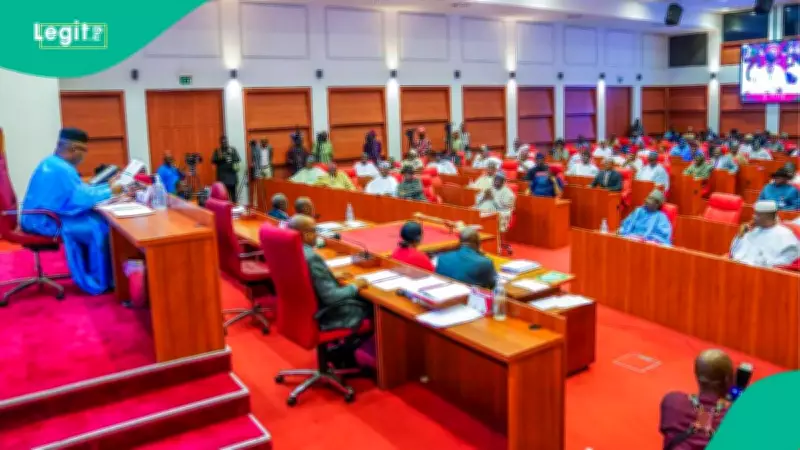
Before the bill's passage, proceedings in the Senate were disrupted by a rowdy session that erupted shortly after resumption. The controversy centered specifically on Clause 60, which was raised by Senator Enyinnaya Abaribe of the ADC representing Abia South. This clause became the focal point of heated exchanges among lawmakers, highlighting deep-seated disagreements within the legislative body.
The debate over Clause 60 underscored the complex nature of electoral legislation in Nigeria, where various political interests and regional considerations often collide. Senators engaged in passionate arguments about the implications of this particular provision, with some expressing concerns about its potential impact on future elections.

Legislative Process and Implications
The passage of this bill represents the culmination of extensive legislative work that began with the 2022 Electoral Act. By repealing and re-enacting this legislation, the Senate has effectively updated Nigeria's electoral framework to address contemporary challenges and incorporate lessons from recent electoral experiences.
This development comes at a crucial time in Nigeria's democratic journey, as the country continues to refine its electoral processes to ensure greater transparency, fairness, and credibility. The amended Electoral Act is expected to provide clearer guidelines for election administration, candidate qualification, and result management.
Next Steps in the Legislative Journey
With Senate approval secured, the bill will now proceed to the House of Representatives for concurrence before being sent to the President for assent. The legislative process requires both chambers of the National Assembly to agree on the final version of any bill before it can become law.
Political analysts are closely watching how this legislation will evolve through the remaining stages of the lawmaking process. The contentious nature of the debate in the Senate suggests that further discussions may occur in the House of Representatives, particularly regarding the provisions that sparked controversy.
The successful passage of this bill in the Senate demonstrates the legislature's commitment to electoral reform, even amid significant disagreements. As Nigeria prepares for future elections, this amended Electoral Act could play a pivotal role in shaping the country's democratic practices and electoral outcomes.