Romuald Wadagni Declared Winner of Benin Presidential Election
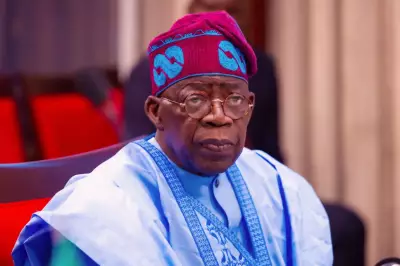
Romuald Wadagni has been officially declared the winner of the presidential election in Benin, securing a commanding victory with over 94 percent of the vote according to provisional results released by electoral authorities. The electoral commission described the outcome as irreversible after approximately 90 percent of ballots were counted, cementing Wadagni's position as the next leader of the West African nation.
Overwhelming Victory Margin and Early Concession
The 49-year-old president-elect entered the race as the clear frontrunner following the inability of the main opposition party, the Democrats, to field a candidate due to electoral requirements. This left Paul Hounkpè as the sole challenger, who conceded defeat even before the final count was completed.
Hounkpè congratulated Wadagni on his victory, stating that early results had already pointed to a decisive outcome. "Democracy requires mutual respect and the ability to rise above partisan divides," he declared, calling for national unity following the election results.

Electoral Rules Shape Political Landscape
The absence of strong opposition participation was directly linked to Benin's electoral requirements, which mandate that presidential hopefuls obtain endorsements from sitting lawmakers before appearing on the ballot. The Democrats' candidate was unable to meet this threshold, effectively narrowing the contest to two main contenders.
Nationwide voter turnout for the election was recorded at 58.75 percent, reflecting moderate participation from the electorate. The electoral process unfolded amid regional instability in West Africa, where several countries have experienced military coups in recent years.
Presidential Transition and Succession
Wadagni had been widely seen as the preferred successor to outgoing President Patrice Talon, who could not seek re-election after completing the constitutionally allowed two terms. Talon's endorsement provided significant momentum to Wadagni's campaign throughout the election period.
The transition marks a continuation of political leadership in Benin, which remains one of the more stable democracies in West Africa despite regional challenges. Observers note that the peaceful transfer of power represents an important democratic milestone for the region.
Security and Economic Challenges Ahead
The president-elect is expected to confront growing security concerns and persistent economic challenges, particularly in northern parts of the country. Benin has faced attacks linked to extremist groups operating in the wider Sahel region, contributing to rising instability along its borders.
Despite these challenges, Benin maintains its democratic institutions and continues to navigate complex regional dynamics. Economic pressures, including poverty reduction and job creation, will form critical components of Wadagni's administration agenda in the coming years.
Regional Context and International Observation
International observers have noted that Wadagni's administration will be closely watched as it navigates both security threats and economic pressures. The election outcome comes at a critical time for West Africa, where democratic governance faces numerous tests across the region.
Benin's ability to conduct peaceful elections and transfer power represents an important example for neighboring nations experiencing political turmoil. The new administration will need to balance domestic priorities with regional security cooperation to address cross-border threats effectively.