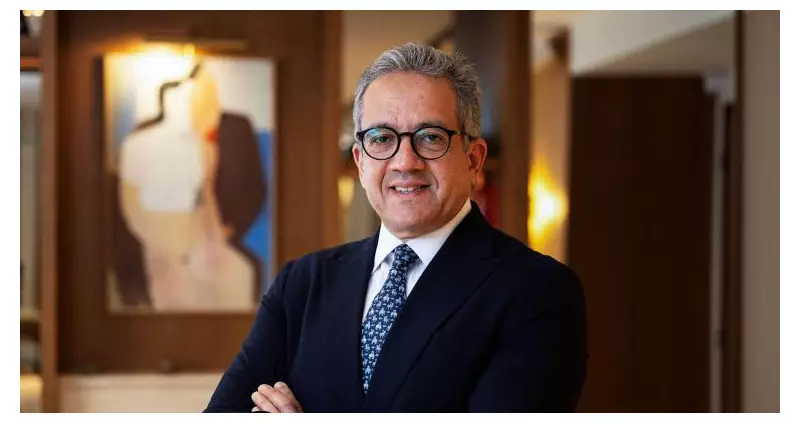
In a significant diplomatic move, the United Nations Educational, Scientific and Cultural Organisation (UNESCO) has elected Egypt's former antiquities minister, Khaled el-Enany, as its new Director-General.
A New Leader for a Challenging Era
The election took place during the weekend at the UNESCO general conference held in the historic city of Samarkand, Uzbekistan. Member states overwhelmingly chose Khaled el-Enany, a 54-year-old Egyptologist, to succeed France's Audrey Azoulay. He is scheduled to assume his new office on November 15.
This appointment is historic, as el-Enany becomes the first representative of an Arab state and only the second from Africa to lead the prestigious UN agency, which is responsible for the coveted World Heritage List.

Navigating Political and Financial Headwinds
The new chief's tenure will be immediately tested by the looming financial and political consequences of the United States' withdrawal from UNESCO. The decision, initiated by former President Donald Trump, is set to become effective in December 2026.
Trump's administration has repeatedly claimed the organisation exhibits an anti-Israel bias and promotes divisive causes. This is not the first time the US has left UNESCO; Trump ordered a similar withdrawal in 2017 during his first term, a move that was later reversed by President Joe Biden.
The US exit creates a substantial funding gap that el-Enany must address. In his post-election remarks, he vowed to make the budget a "priority". One potential solution involves greater engagement with the private sector, which contributed a mere eight per cent of the organisation's budget in 2024.
A Diplomatic Win for Egypt
El-Enany's election is seen as a major diplomatic victory for Egypt and its President, Abdel Fattah al-Sisi, who has been actively seeking to expand the country's international influence. This achievement comes despite ongoing international criticism of Egypt's human rights record and follows the country's recent role in hosting the signing of a Gaza ceasefire agreement in October.
Outlining his vision, the incoming Director-General expressed his desire for a "strong and united UNESCO, a non-politicised organisation that chooses consensus over divisions." His background as Egypt's culture and antiquities minister from 2016 to 2022 provides him with a unique perspective to lead the agency through its current challenges.