Home Office Orders Grieving Father Who Lost Family in Air India Crash to Leave UK
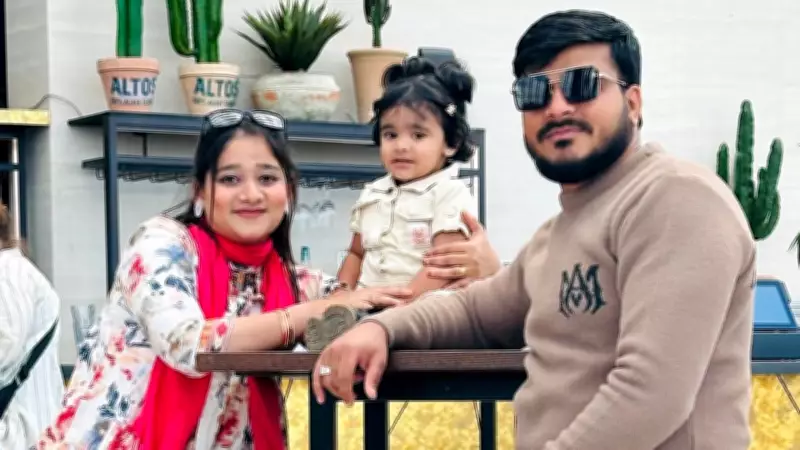
The UK Home Office has come under intense scrutiny and criticism after informing Mohammad Shethwala, a father who tragically lost his entire family in the Air India Flight 171 disaster, that he must depart the United Kingdom. This decision follows the rejection of his application for Further Leave to Remain on humanitarian grounds, sparking outrage among campaigners and legal advocates.
Details of the Tragedy and Immigration Status
Mohammad Shethwala's wife, Sadikabanu, and their two-year-old daughter Fatima were among the 260 victims killed in the June 2025 crash, which occurred shortly after take-off from Ahmedabad, India. Mohammad had entered the UK in 2022 as a dependent on his wife's student visa, meaning his legal right to reside in the country was directly tied to her immigration status. Following the devastating loss, he applied for an extension to stay in the UK, arguing that he had "nothing left" outside the support network he has established in London.
Humanitarian Grounds and Home Office Rejection
In his application, Mohammad's legal team highlighted that his mental health has severely deteriorated since the crash, and returning to India would exacerbate his condition, particularly due to the intense media coverage and traumatic memories associated with the incident. However, the Home Office rejected the plea, stating that his case did not meet the threshold for exceptional circumstances. Officials asserted that he could access necessary support and healthcare services in India, and he was subsequently placed on immigration bail, which prohibits him from working or switching to another visa route.

Emotional Toll and Public Backlash
Speaking about the decision, Mohammad expressed his inability to accept the outcome, describing the profound emotional toll it has taken on him. Friends close to him report that he has struggled to process the immense loss and relies heavily on his support network in the UK for daily assistance. Campaigners and advocacy groups have strongly condemned the Home Office's move, labeling it as lacking compassion and humanity.
Fizza Qureshi, chief executive of the Migrants' Rights Network, criticized the decision, stating that it demonstrates a failure to support an individual experiencing profound grief. Patrick Vernon also voiced his disapproval, comparing the treatment to past injustices such as the Windrush scandal and calling it a "moral failure."
Legal Challenge and Future Proceedings
Legal representatives for Mohammad have confirmed that they will challenge the decision in court, a process that will allow him to remain in the UK while the proceedings are ongoing. They maintain that his situation constitutes a genuine humanitarian case and have urged authorities to reconsider, emphasizing the severe emotional and financial hardships he faces following the loss of his immediate family.
A spokesperson for the Home Office commented that all visa applications are assessed individually in accordance with immigration rules but declined to provide further details on the specifics of this case. The ongoing legal battle highlights broader issues within the UK's immigration system regarding humanitarian protections and support for those affected by tragedies.