Prominent Nigerians React to Escalating Iran Crisis Following Khamenei's Death
Multiple Iranian state media outlets have confirmed the death of Iran's Supreme Leader Ayatollah Ali Khamenei, triggering a significant escalation in regional tensions. The development comes amid reports of joint US-Israel strikes on Saturday, February 28, which reportedly hit targets across Iran, with one attack allegedly killing over 100 girls at an elementary school.
International Reactions and Escalating Conflict
US President Donald Trump described the deceased Iranian leader as "one of the most evil people in history" and called on Iranians to "take back their country." In response to Khamenei's assassination, Iran has reportedly unleashed fresh attacks against perceived adversaries, further intensifying the volatile situation in the Middle East.
Nigerian Voices Enter the Global Conversation
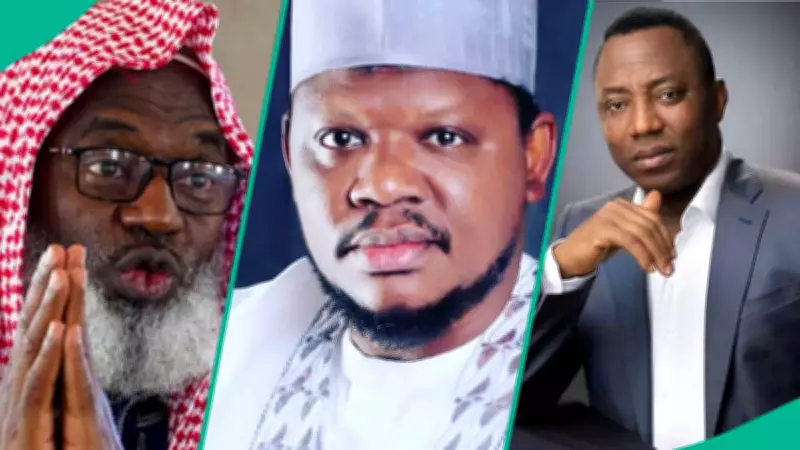
In light of these dramatic developments, six prominent Nigerian figures have emerged in international media coverage, offering perspectives on Iran's ongoing conflict with its adversaries. These individuals represent diverse backgrounds including religious leadership, political commentary, and social activism.

The Six Nigerians Making Headlines
- Sheikh Ahmad Gumi - The influential Islamic cleric known for his mediation efforts in Nigeria's security challenges
- Primate Elijah Ayodele - The prominent Christian leader and founder of INRI Evangelical Spiritual Church
- Sheikh Ibrahim Zakzaky - The leader of the Islamic Movement in Nigeria (IMN)
- Adamu Garba - The Nigerian politician and former presidential candidate
- Femi Fani-Kayode - The former Minister of Aviation and political commentator
- Omoyele Sowore - The human rights activist and former presidential candidate
The involvement of these Nigerian figures in international discourse about the Iran crisis highlights Nigeria's growing role in global affairs and the diverse perspectives within the country's religious and political landscape. Their comments have been widely circulated across international media platforms, bringing Nigerian voices into one of the most significant geopolitical developments of recent times.
As the situation in Iran continues to evolve with reports of retaliatory attacks and heightened regional tensions, the perspectives of international observers including these prominent Nigerians will likely remain part of the global conversation about the conflict's implications for Middle Eastern stability and international relations.