Hungary's New Prime Minister Pledges to Arrest Netanyahu Under ICC Warrant
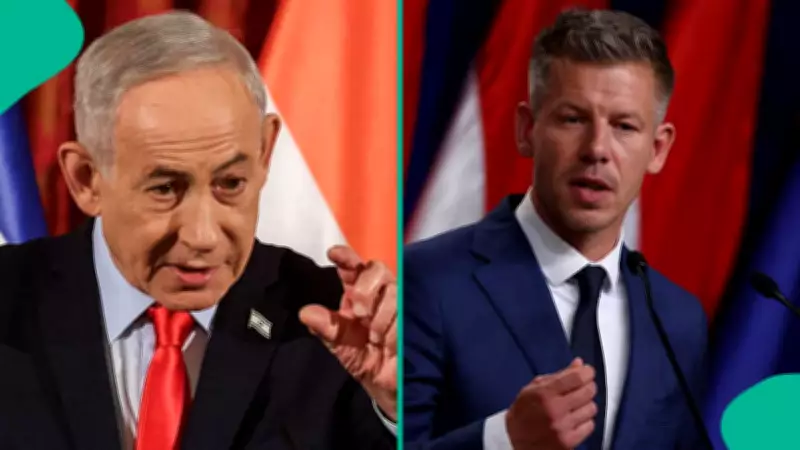
Hungary's incoming Prime Minister, Peter Magyar, has made a bold declaration that he will halt the country's planned withdrawal from the International Criminal Court (ICC), a move that directly impacts Israel's Prime Minister Benjamin Netanyahu, who faces an ICC warrant over alleged war crimes in Gaza. This decision marks a sharp policy shift in Budapest, reversing the stance of former leader Viktor Orban and underscoring Hungary's renewed commitment to international justice.
Reversal of Orban's Withdrawal Plan
Peter Magyar, leader of the centre-right Tisza party, announced at a news briefing in Budapest that his government has reviewed the matter and decided to stop Hungary's withdrawal from the ICC, which was initiated by Viktor Orban last year. Orban, who led Hungary for 16 years before his historic election defeat earlier this month, had announced the withdrawal partly in response to the ICC's warrant for Netanyahu. The withdrawal was due to take effect on June 2, which would have made Hungary the only European Union country outside the ICC.
Magyar explained his stance, stating, "I believe that if the country is a member of the International Criminal Court, and a person who is wanted by the court enters our territory, then that person must be taken into custody." This commitment means Hungary will continue to recognize the ICC's jurisdiction, potentially leading to arrests of individuals wanted by the court if they enter Hungarian territory.

Implications for Netanyahu and International Relations
By retaining ICC membership, Hungary's decision could have significant consequences for Benjamin Netanyahu, who has been wanted by the ICC since 2024 over alleged war crimes in Gaza. Magyar confirmed that he has "made this clear" to Netanyahu, emphasizing that Hungary will enforce the ICC warrant if the Israeli leader steps into the country. This move signals a departure from Orban's policies, as Orban had been a strong supporter of Netanyahu and had aligned with critics of the ICC.
The ICC warrant for Netanyahu has drawn international attention and sparked debate about accountability in conflict zones. At the time of the warrant's issuance, it was strongly criticized by then U.S. President Joe Biden, and his successor, Donald Trump, has continued to back Netanyahu and oppose the court's actions. Both Trump and Netanyahu had been strong supporters of Orban and had hoped he would remain in power, but Orban's landslide election defeat has shifted Hungary's position under Magyar's leadership.
International Reactions and Broader Context
The policy shift in Hungary has elicited mixed reactions globally. Human Rights Watch (HRW) had previously called for Hungary to arrest Netanyahu if he visits the country, highlighting the ICC's charges relating to alleged crimes against humanity and war crimes in Gaza. The United States, which is not a member of the ICC, has maintained its opposition to the court's actions, with Netanyahu visiting Washington and Trump's Florida estate several times, including before launching the war against Iran.
Magyar's decision reinforces Hungary's commitment to international justice and aligns with broader efforts to hold leaders accountable for alleged atrocities. It also reflects a changing political landscape in Hungary, where Magyar's election victory has brought a new focus on upholding international legal standards. This move could influence other EU countries' stances on the ICC and set a precedent for enforcing international warrants.
In summary, Peter Magyar's pledge to keep Hungary in the ICC and arrest Netanyahu if he enters the country represents a significant departure from previous policies, emphasizing a renewed dedication to global justice and accountability. This development underscores the ongoing tensions between national sovereignty and international law, with Hungary now positioned as a key player in the enforcement of ICC mandates.