Iran Closes Strait of Hormuz in First Shutdown Since 1980s Amid Escalating US Tensions
Iran has dramatically escalated tensions with the United States by closing the Strait of Hormuz, marking the first time this crucial global oil shipping route has been shut down since the 1980s tanker war between Iran and Iraq. The closure occurred as Iran's Islamic Revolutionary Guard Corps conducted extensive live-fire naval exercises in a rare and forceful display of military capability.
Critical Global Oil Chokepoint Temporarily Sealed
The Strait of Hormuz represents one of the world's most vital maritime passages, serving as a narrow Gulf chokepoint through which approximately 20 percent of global oil supplies normally transit daily. This strategic waterway's temporary closure has revived memories of past regional confrontations when Tehran previously harassed commercial shipping vessels and deployed naval mines during periods of heightened conflict.
Oil markets have historically reacted with significant volatility to any threats involving this essential passageway, and analysts are closely monitoring potential impacts on global energy prices following this unprecedented closure.

Heightened Rhetoric Between Tehran and Washington
The strait closure follows increasingly heated exchanges between Iranian and American leadership amid ongoing negotiations concerning Iran's nuclear program. Supreme Leader Ayatollah Ali Khamenei issued a stark warning that "the strongest army in the world might sometimes receive such a slap that it cannot get back on its feet," in remarks widely interpreted as directly targeting United States military capabilities.
Khamenei further criticized what he characterized as American intimidation tactics throughout the region, signaling Tehran's growing frustration with Washington's approach to diplomatic negotiations and military posturing.
Military Buildup and Joint Exercises
Iran is preparing to conduct joint naval drills with Russia in the Sea of Oman and northern Indian Ocean, according to reports from Iranian state-linked media outlets. Iranian navy commander Hassan Maghsoodloo stated these exercises aim to ensure "maritime security and safety" in regional waters.
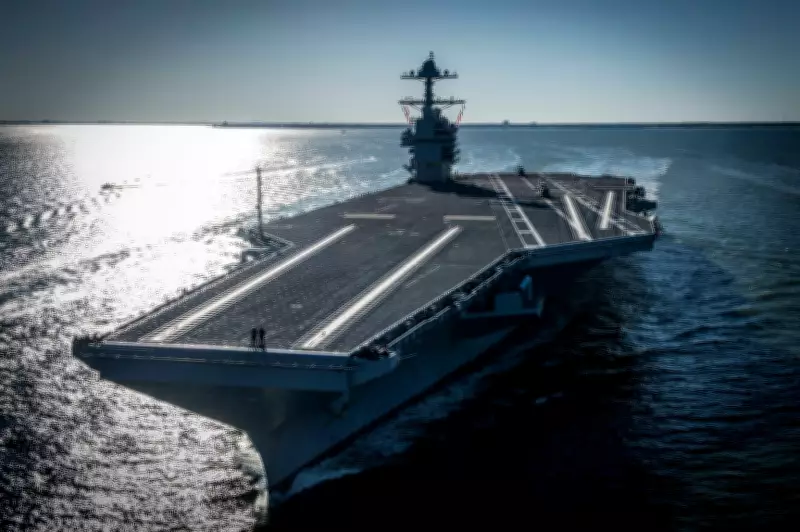
Meanwhile, the United States has significantly increased its naval presence near Iran, with President Donald Trump recently deploying the aircraft carrier USS Gerald R. Ford to join the USS Abraham Lincoln strike group already positioned in the region. This substantial military reinforcement represents Washington's continued pressure campaign against Tehran.
Diplomatic Efforts Continue Amid Military Posturing
Despite the escalating military tensions, diplomatic channels remain active. Iran's Foreign Minister Abbas Araghchi described recent talks in Geneva as opening "a new window" toward a potential agreement, expressing optimism that negotiations could eventually yield a sustainable solution serving all parties' interests.
However, Araghchi cautioned that Iran "remains fully prepared to defend itself against any threat or act of aggression," warning that any attack would produce consequences extending beyond Iranian borders.
Contrasting Assessments from Washington
In Washington, Vice President JD Vance offered a more measured evaluation of the ongoing negotiations, stating: "In some ways, it went well. But in other ways, it was very clear that the president has set some red lines that the Iranians are not yet willing to actually acknowledge and work through."
President Trump reiterated aboard Air Force One that Tehran desires a deal but emphasized military options remain available, referencing previous strikes on Iranian nuclear facilities: "We could have had a deal instead of sending the B-2s in to knock out their nuclear potential. And we had to send the B-2s."
Regional Stability and Global Implications
As both nations continue negotiations while simultaneously reinforcing their military positions, tensions remain critically elevated across the Gulf region. Global energy markets are monitoring developments around the Strait of Hormuz with particular concern, recognizing this waterway's essential role in maintaining stable worldwide oil supplies.

The situation represents one of the most significant geopolitical flashpoints in recent years, with potential implications extending far beyond regional security to impact global economic stability and international diplomatic relations.