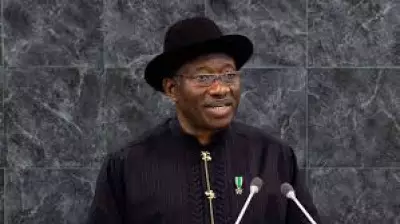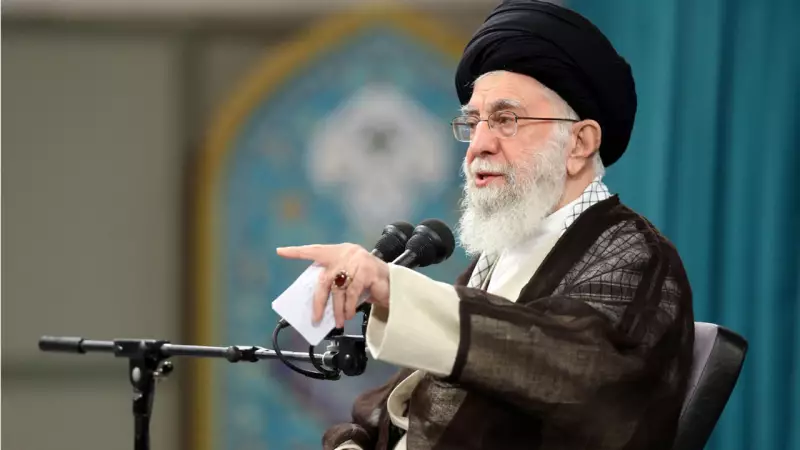
Iran's Supreme Leader, Ayatollah Ali Khamenei, has broken his silence on the nationwide unrest, dismissing demonstrators as saboteurs and vowing that the Islamic republic will not retreat. This comes as a severe internet blackout continues to shroud the country, masking a violent crackdown that rights groups say has claimed at least 51 lives.
Nationwide Blackout and Rising Death Toll
The protests, now in their thirteenth day, have spread across major cities and towns. They were initially sparked by anger over the high cost of living but have increasingly featured calls for an end to Iran's clerical rule. Late on Thursday, Tehran witnessed some of the largest demonstrations since the 2022 protests triggered by the death of Mahsa Amini.
To control the flow of information, authorities have imposed what the monitoring group Netblocks calls a "nationwide internet shutdown" lasting over 24 hours. Amnesty International condemned this move, stating it is designed to hide the true scale of human rights violations.

Norway-based Iran Human Rights updated the death toll to at least 51 protesters, including nine children under 18. This marks a rise from the earlier figure of 45. Hundreds more are reported injured.
Defiant Rhetoric and Accusations
In his first public address since January 3, broadcast on state TV, Khamenei adopted a defiant stance. He labelled the demonstrators "vandals" and "saboteurs." "Everyone knows the Islamic republic came to power with the blood of hundreds of thousands of honourable people; it will not back down in the face of saboteurs," he declared to chants of "death to America" from supporters.
Khamenei accused former US President Donald Trump of having hands "stained with the blood of more than a thousand Iranians," a likely reference to the June war with Israel which Washington supported. He also predicted Trump would be "overthrown."
In response, Trump warned Tehran in a Fox News interview, stating, "If they do [kill protesters], we’re going to hit them very hard." He also suggested the 86-year-old Supreme Leader "may be looking to leave Iran."
Crackdown Intensifies and International Condemnation
Iranian officials have framed the unrest as foreign-instigated. Foreign Minister Abbas Araghchi accused the United States and Israel of "directly intervening" to turn protests violent. Meanwhile, judiciary chief Gholamhossein Mohseni Ejei promised "decisive" and maximum punishment for "rioters" without leniency.
State TV reported the killing of a district prosecutor and several security personnel in Esfarayen on Thursday night. The intelligence arm of the Revolutionary Guards stated that protecting the revolution was its "red line."
Despite state media broadcasting images of counter-protests, rights group Haalvsh reported that security forces fired on protesters in Zahedan after Friday prayers, causing casualties. Amnesty International and Human Rights Watch detailed that security forces have unlawfully used lethal weapons, shotguns with metal pellets, tear gas, and beatings to disperse largely peaceful crowds since December 28.
As the internet blackout persists, the full extent of the violence and the protest movement's scale remains difficult to verify, leaving the international community reliant on fragmented reports from within the isolated nation.